The 2025 Saltiga: balance, strength, and a few strong opinions
My preferences in large spinning reels—and why line lay still matters to me.
Tackle with character. Ideas made by hand. Notes from fast water.
Browse 113 articles translated from Passionable Fishing, our Japanese-language journal.
My preferences in large spinning reels—and why line lay still matters to me.
A comparison with the original Sonio 93M: a finer silhouette, a supple tip, and a very different feel.
What happened on one full cast with an INQLUDE IS88-M9—and my own interpretation of the failure.
The pleasure of metal, precision, and a reel that feels unapologetically substantial.
Bold Japanese calligraphy, a few fishing jokes, and some ideas for shirts that make a day by the water more fun.
The story behind msinker.com leads to domain names, painting, fashion photography, and memories of Tokyo.
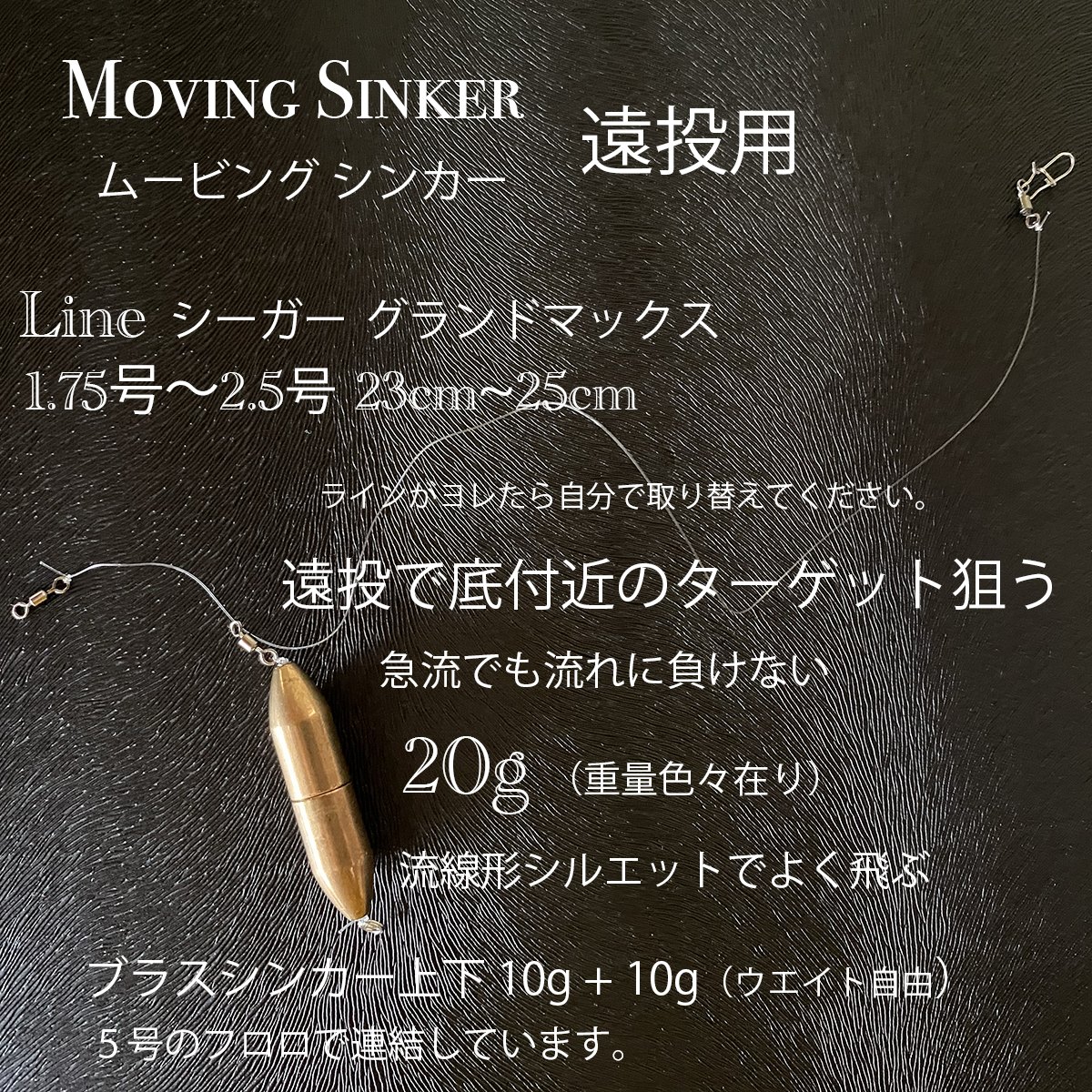
Two brass weights, one streamlined form, and an idea for reaching further.
A black bail, a heavy retrieve, and an experiment with a different handle knob.
After trying around thirty high-end rods, these are the ones still seeing use.
A personal look back at Morethan, Lateo, and other Daiwa rods—what stayed, what went, and how they felt.
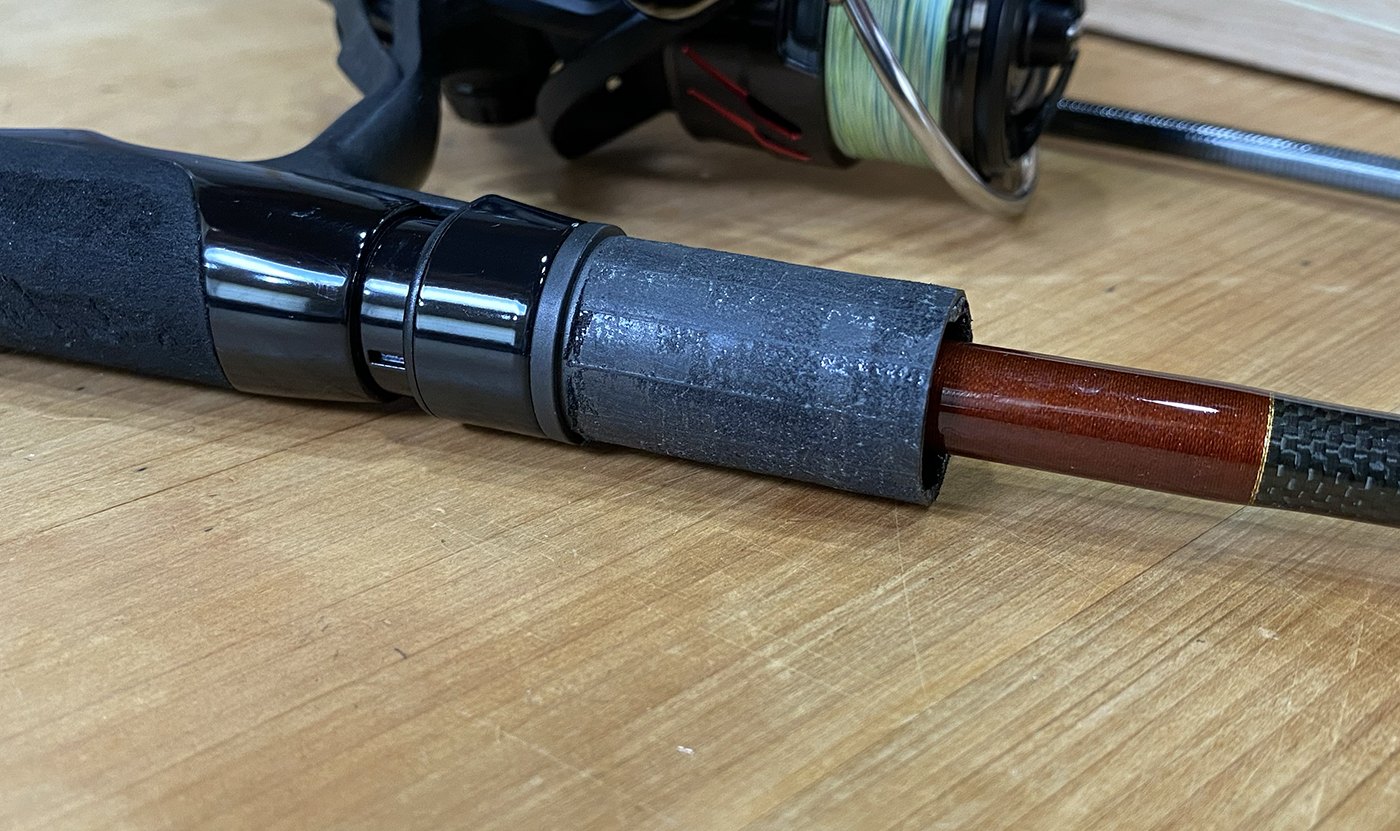
Removing the EVA turned a rather vague-feeling rod into something much more engaging.
First impressions of two new arrivals, before their first fishing trip, paired with very light titanium-tip rods.
A short note on where the 602 fits among four Breaden titanium-tip rods.
A shorter grip, finer braid, and an exceptionally sensitive combination.
The character of the tip and the character of the line need to work together.
A short account of the 5.2 ft titanium-tip setup, a 35 cm seabass, and the strength of a very fine line connection.
The 506 TS-tip feels very good to me. The longer 606 leaves me with a different impression—and another test to try.
Daylight testing with PE #0.06, small jigheads, and plenty of isaki: a promising start for this titanium-tip rod.
A friend’s enthusiasm led me to try this affordable reel. I liked its handling, but a steady retrieve was another matter.
A short, strongly felt note on overfishing, with a link to the Japanese site that prompted it.
Fitting a baitcasting reel to a spinning rod, with a particular current and a difficult drift in mind. These are the plans before the first fishing test.
Aji seem fewer and smaller around Amakusa, while the sagoshi are becoming harder to tempt. These are my impressions from October 2023.
A reel bought for my wife seemed to transform the feel of a LUXXE EG 89 ML. A trip to Nogama Island only deepened that impression.
A Daiko jigging rod and a repaired 34 tip section become one unexpected combination, with long casting reach and surprising sensitivity.
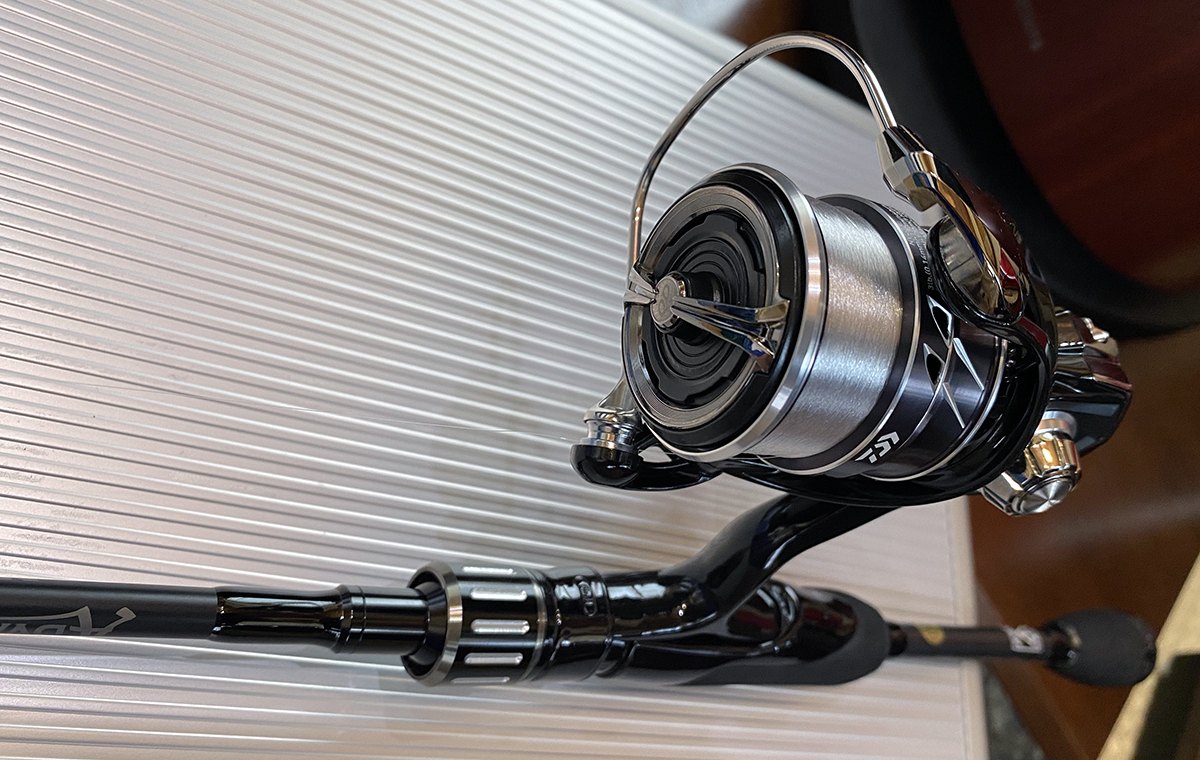
A reel can be smoother and more modern—and still leave you missing its predecessor.
After a long detour through other ajing rods, the 34 PSR-60 The Next Stage made an immediate impression.
Sinker weights, changing depths, and the small moving pockets where fish gather.
A snapshot of the rods in our collection, including separate rods for my wife and me, a spare, and rods reserved for plugs.
A brief note from mid-November 2022: a fishing boat, a net, and the decision to look for another spot.

Beneath the bridge at Nogama on 8 November 2022, something long and silver took a soft lure intended for aji.
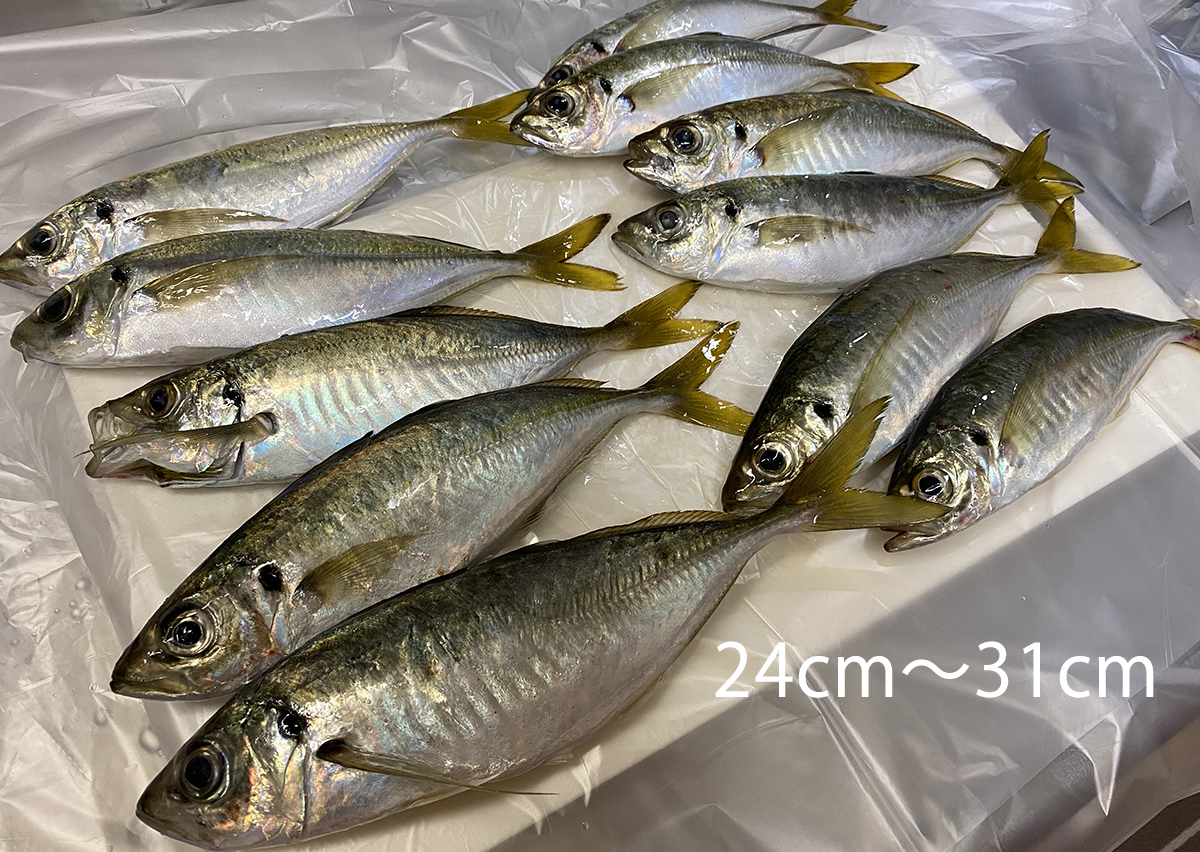
Strong wind, a lesson from my wife, and a short spell of good ajing—followed by a fish that had other ideas.
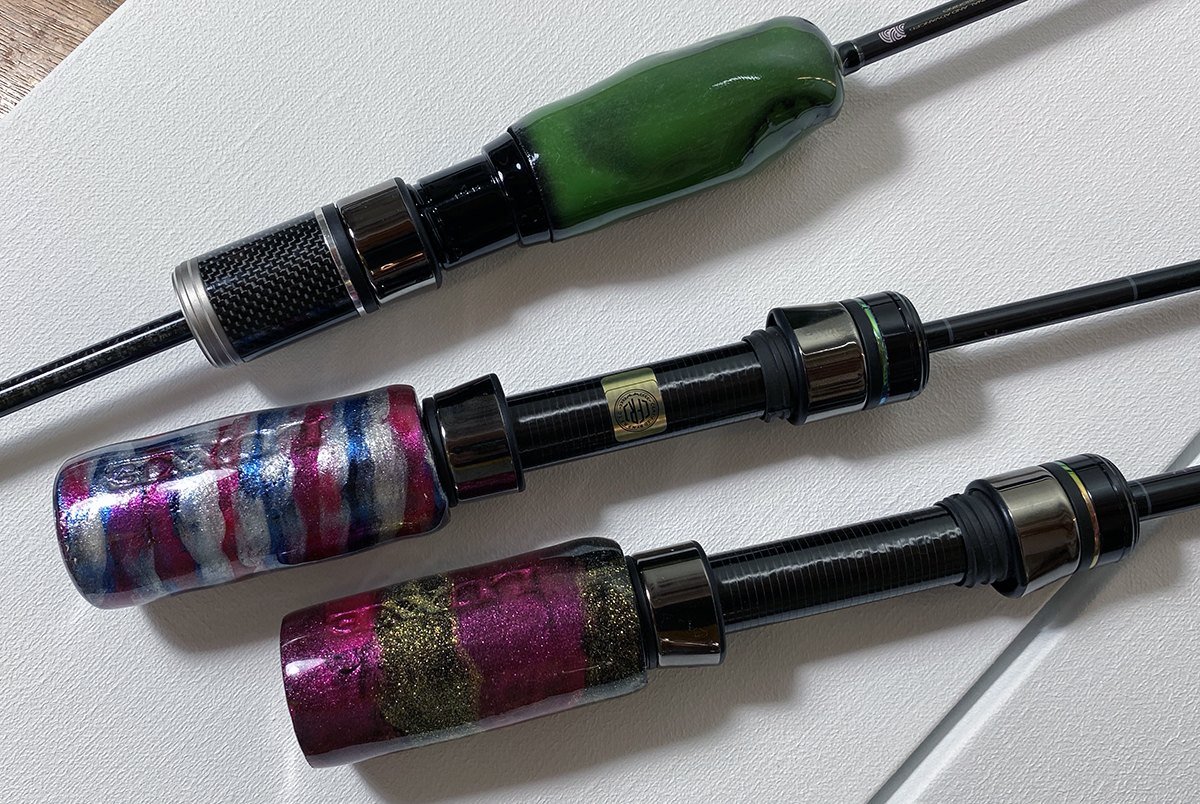
A little colour on the Yoihime end caps—and a very personal approach to grip design.
Our usual spot was occupied, so we tried the harbour: light and shadow, 25 aji between us, and a little comic relief.
A homemade tungsten sinker, another rig being tried around Nogama, and the pleasure of pursuing ideas that may or may not work.
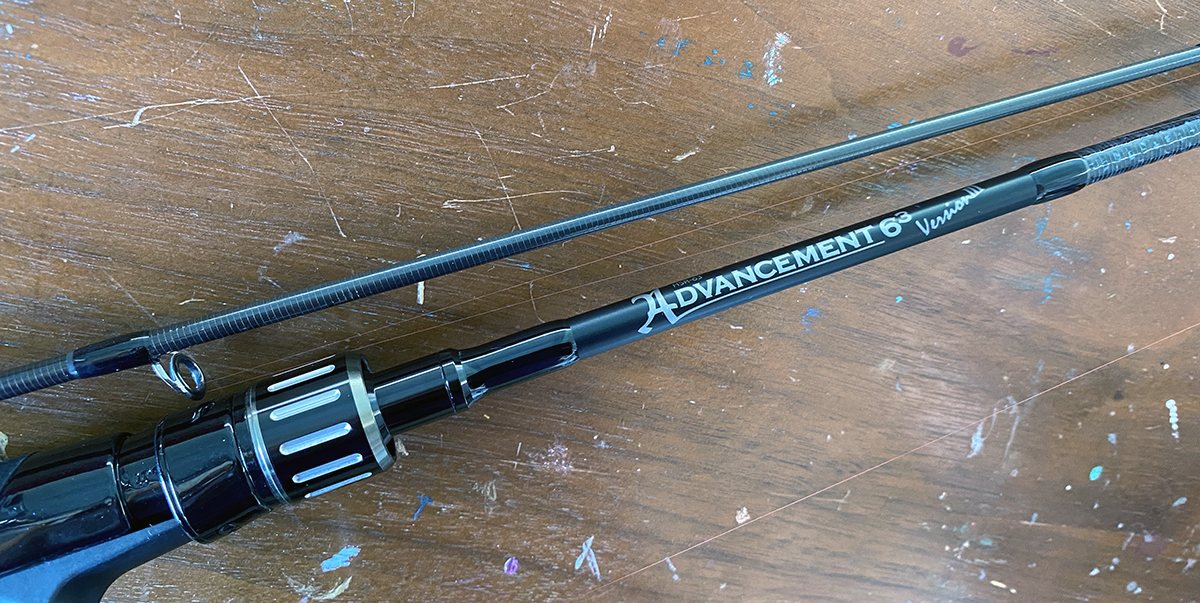
A rod that initially felt all butt and tip became much more supple with use. The later verdict comes first, followed by my original impressions.
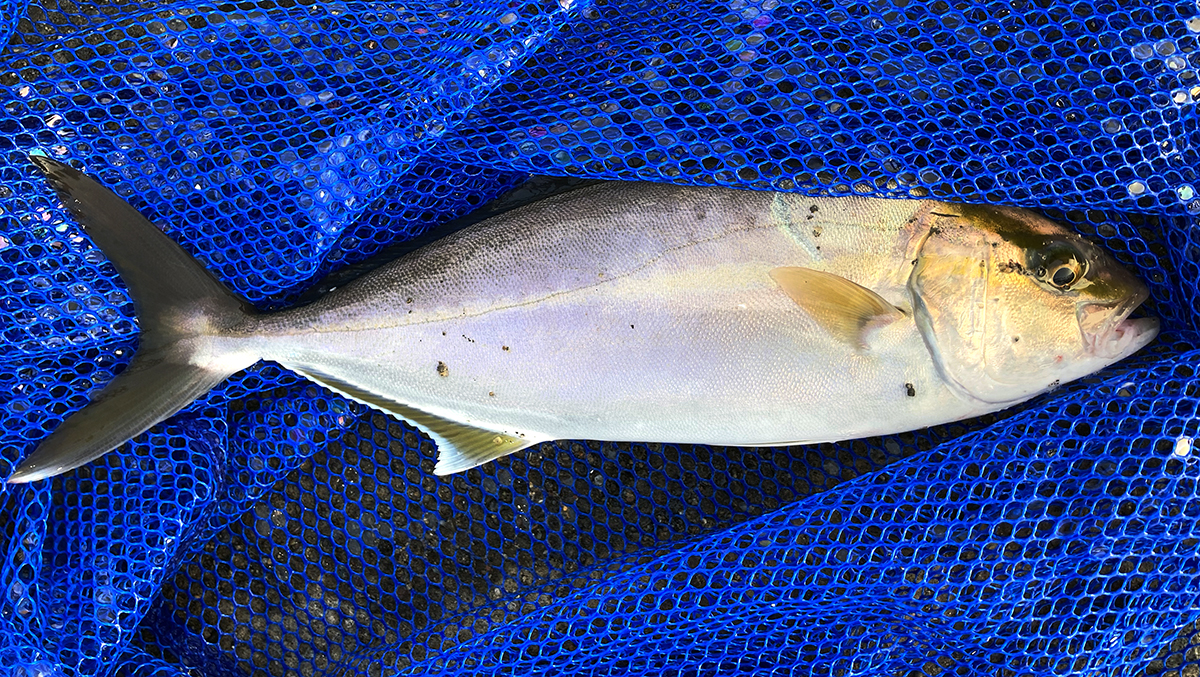
A difficult day for ajing turned into a lively encounter with a 40 cm young greater amberjack—and a first proper outing for our new landing net.
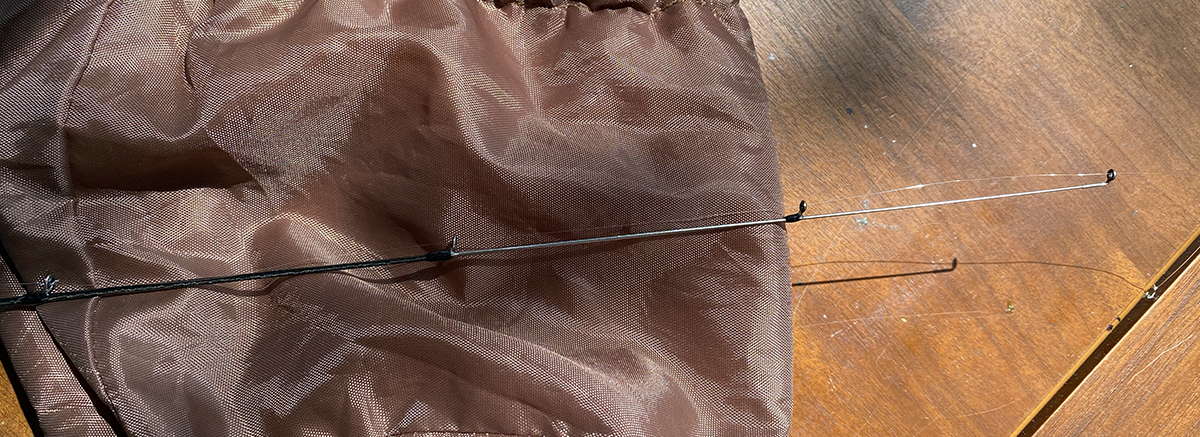
First impressions of a remarkably light one-piece rod, followed by a line experiment that did not work out.
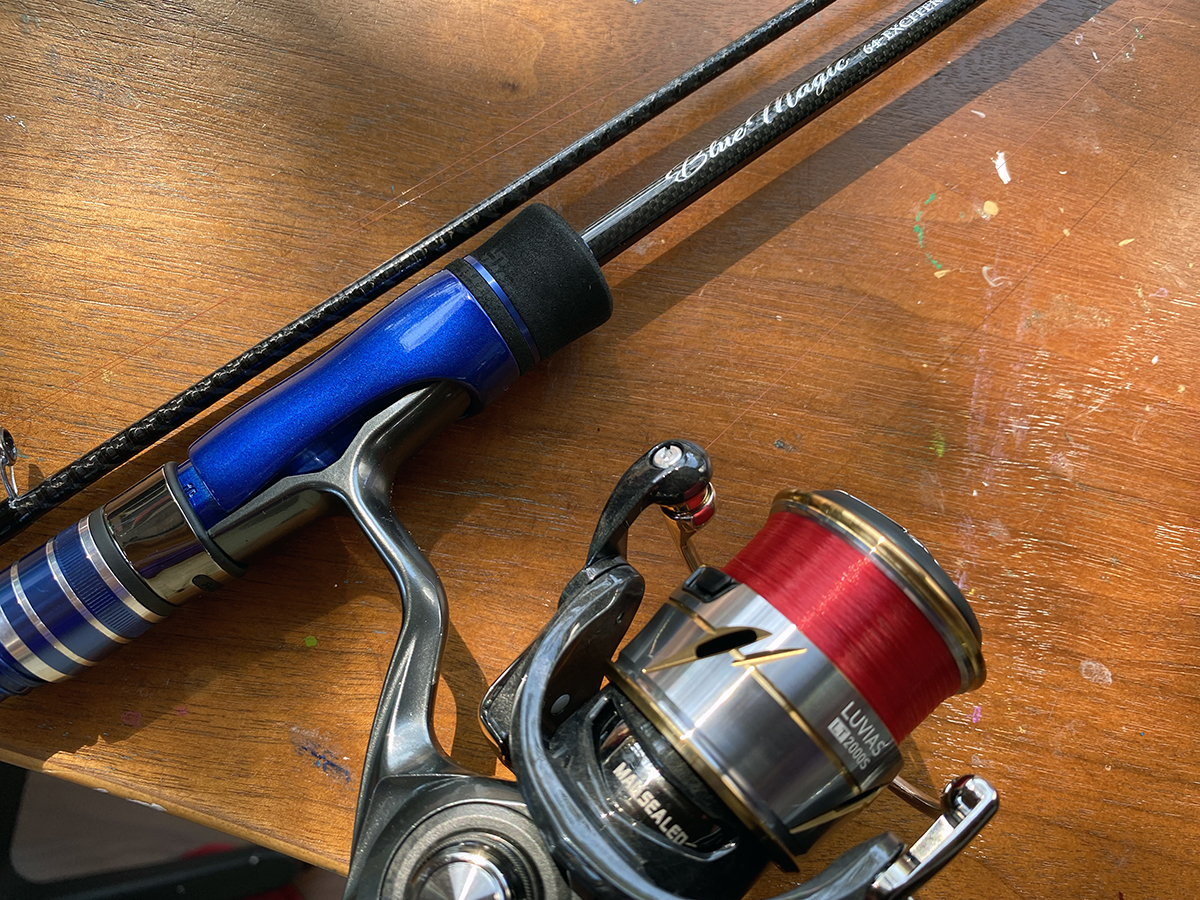
Clear, crystalline sensitivity and a forgiving bend made a strong early impression. After more use with soft lures, my verdict became simpler: a rod for plugs.
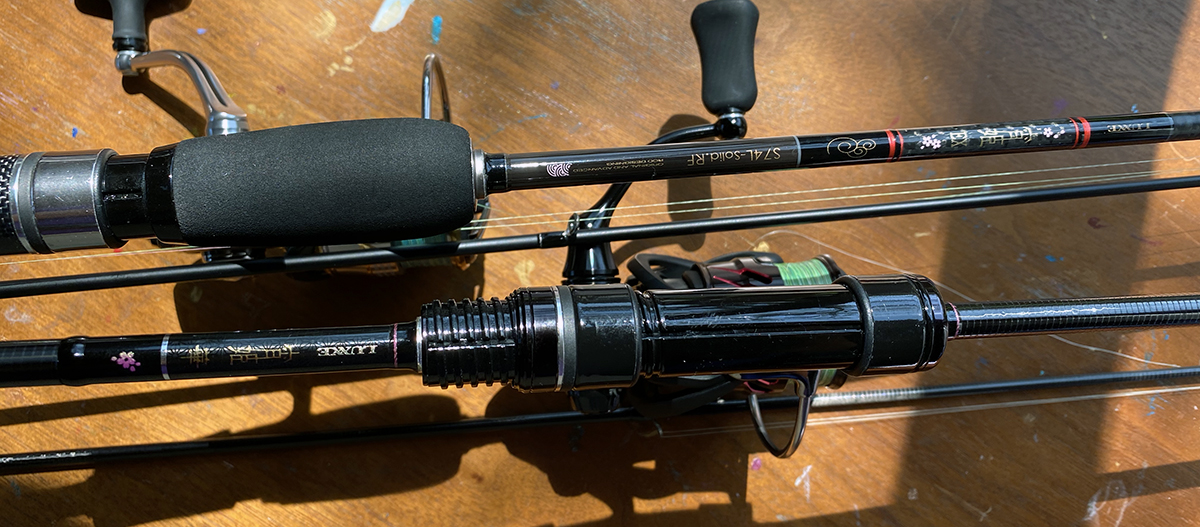
The Yoihime EX 74L and an older Hana 74L each had their appeal for long casts. A later note records how the fishing at that spot changed.
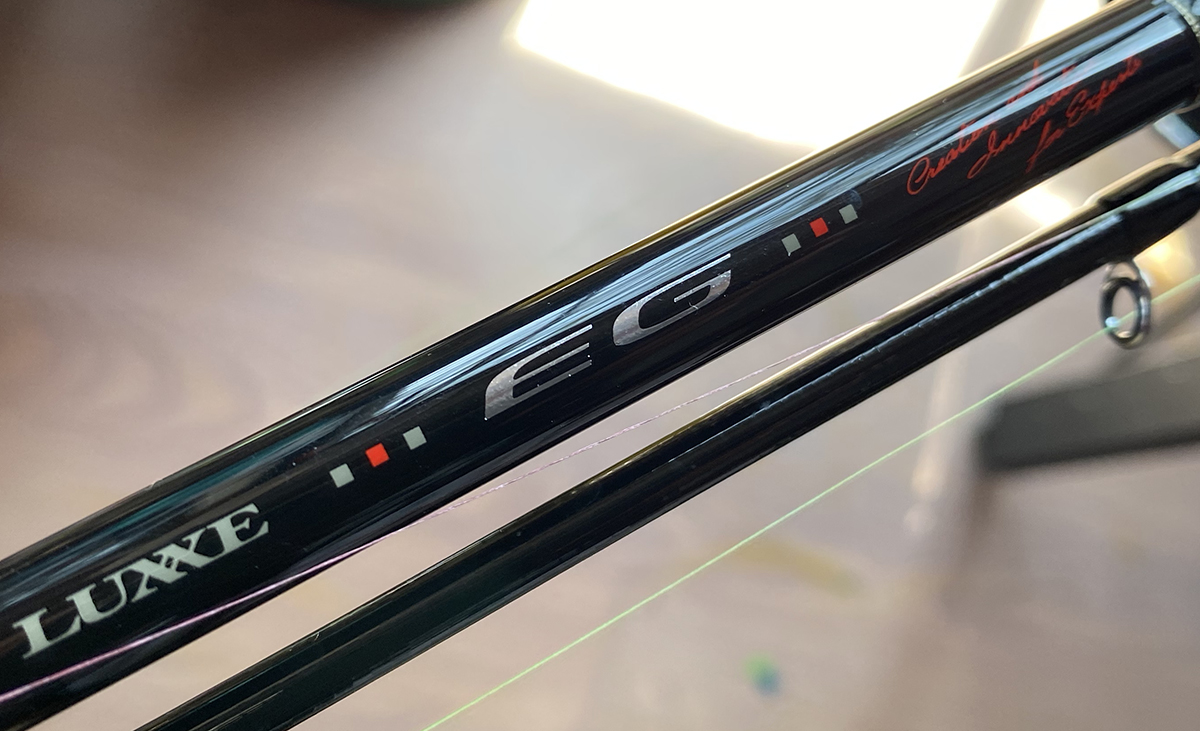
A short feeding window, two trips, and a very inexpensive soft lure that taught us something at Nogama Island in Amakusa.
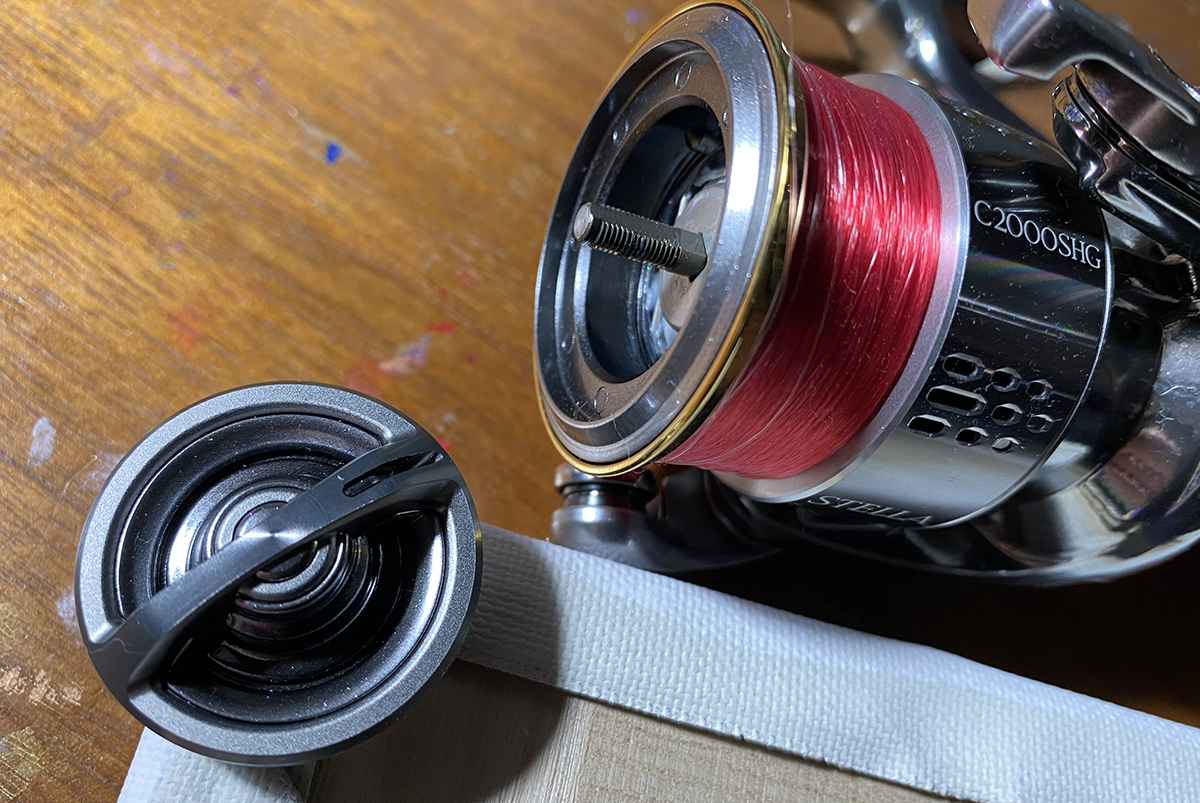
A brief and rather expensive lesson with my 2018 Stella: “I will just try a cast” was not a good idea.
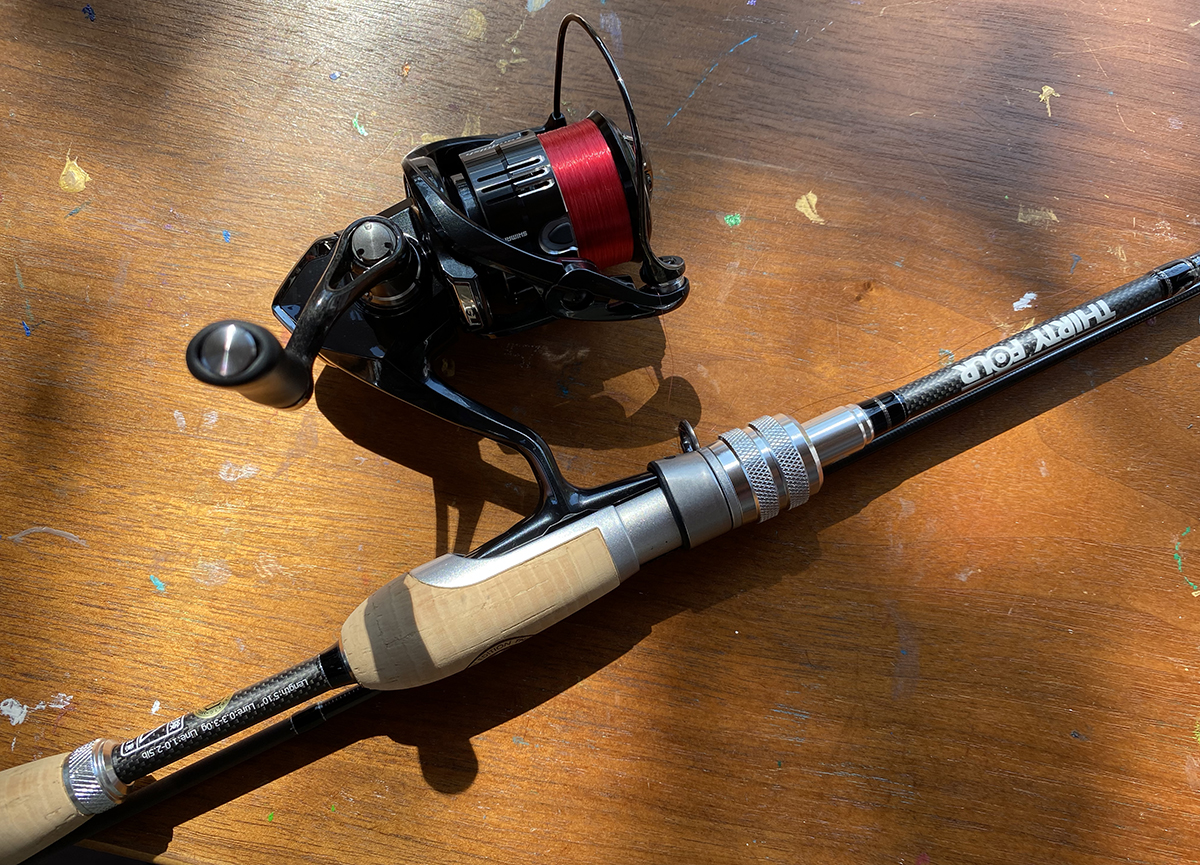
A very flexible rod, a 0.3 g jighead and a soft lure that looks like a tiny drifting squid. An idea I was eager to try.
Vanquish, Stella, Luvias and Tatula, compared on a VARIVAS 610S. These impressions apply specifically to delicate ajing in very strong current.
The rods my wife and I were using, recorded in an April 2022 article updated in July 2023. Separate favourites, and a few models we both owned.
My on-the-water impressions of four reels, with sensitivity as the main concern—and a detour into rod design and an unexpected use for the Overthere.
A night of tackle experiments leads from the way a reel feels to sports cars, a red Ferrari 250 GTO, and the work my wife and I do together.
Preparing for a late-night trip on 20 April 2022, with a few experimental rigs and a small change in tension for those hesitant bites.
A report of a blank night in Amakusa’s strong current sends us back to my wife’s notes from the previous year.
A used 2016 rod joins the two we already own. Its smoother curve brings a slightly different feel—and another of my experiments.
The balance felt right, but the colour of the line mattered too. First impressions of a Stella, followed by a change of mind after some time with it.
Three line sizes, three rod setups, and a very positive first verdict—with one reservation about visibility.
Twenty-three aji between us in a brief window after sunset. Then the bites stopped, and the breakwater fell completely dark.
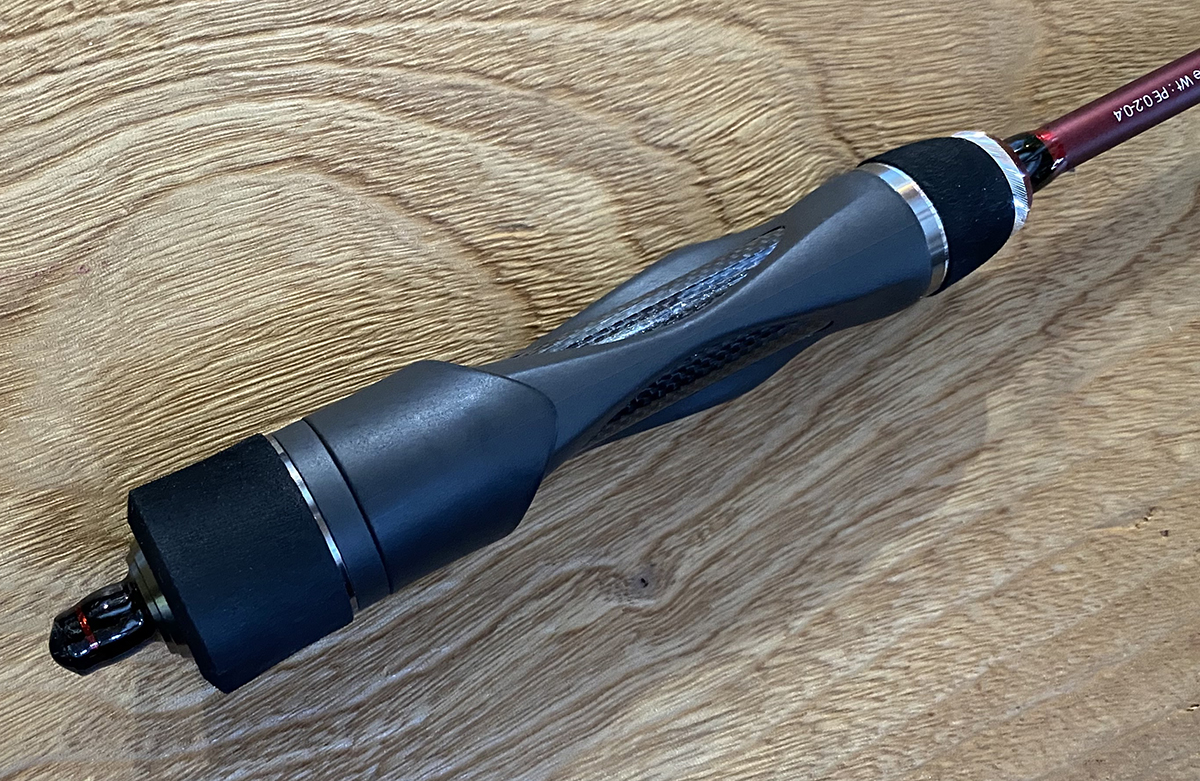
I cut back the rear grip of an AJIST SSD 511 and liked the change. Its next owner had a different idea—which is part of the story too.
As the winter catches dwindled, we kept learning how the aji moved with the tide—and how small the productive patch of water could be.
Fewer fish at T Island led us to Nogama. But as winter approached, its shallow water raised another question.
A short afternoon session became a friendly contest: my wife found the moving fish, and I tried to catch up.
An excellent first impression of the LUXXE, a useful advantage for the Emeraldas, and a morning of following the aji farther out.
An early delivery, a very tight joint, and the lightness and balance I had hoped for—before the first trip.
Two long solid-tip squid rods caught my attention: the Emeraldas AIR AGS 88M-S and the LUXXE EG X S89ML-solid.
A rod for heavier jigs and longer casts—and the small release of tension that helped turn bites into hooked fish.
A brief, disappointed first impression of a reel from Daiwa’s top range.
A long seabass rod with an artistic presence, memories of a 90 cm yellowtail, and some unconventional plans for ajing.
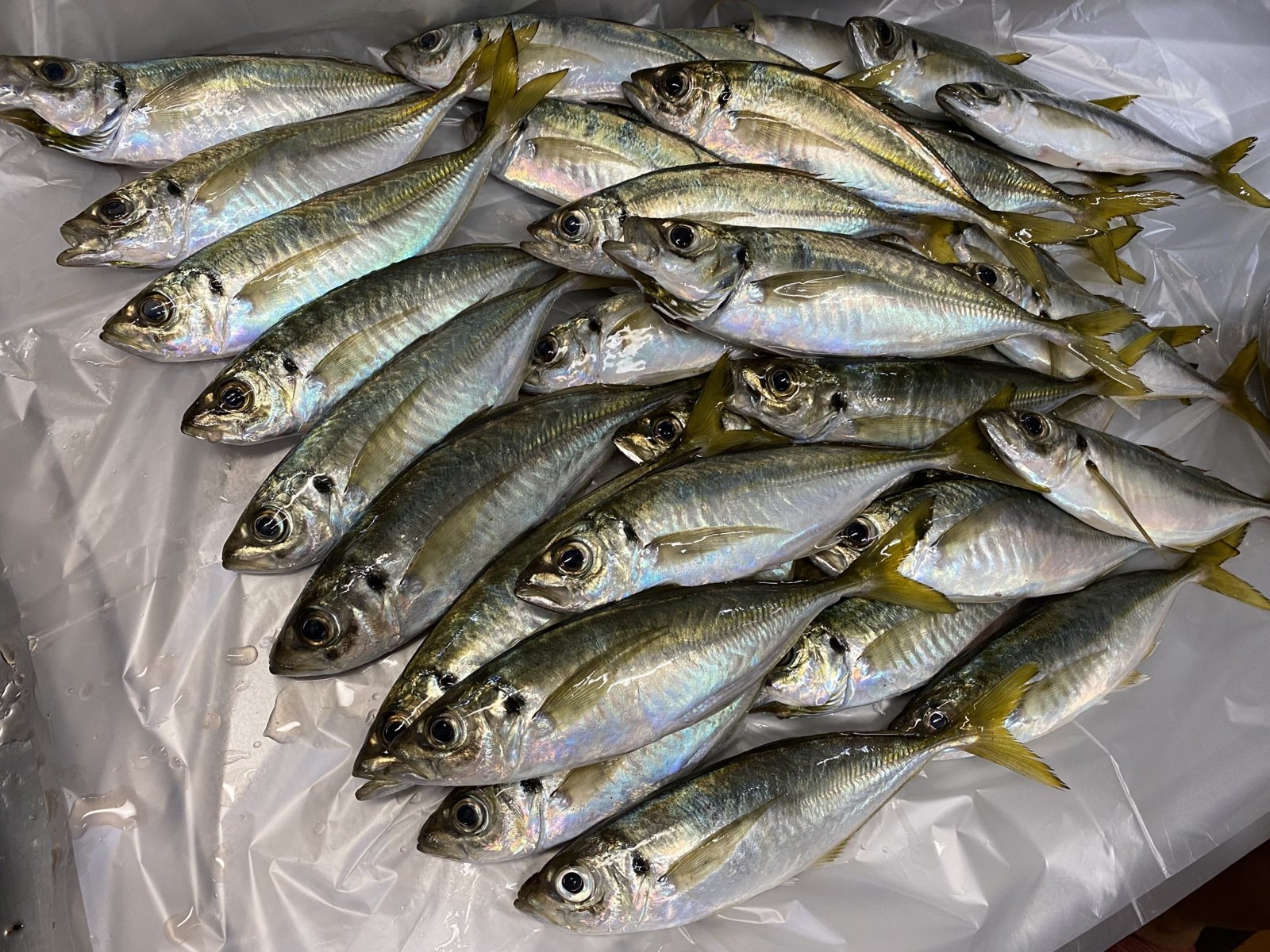
Two quiet hours, then moving shoals: a morning of ajing on 3 November 2021.
Three aji in strong current, a supple belly, and a rod that felt remarkably good value—followed by thoughts on my tuned HSR-63.
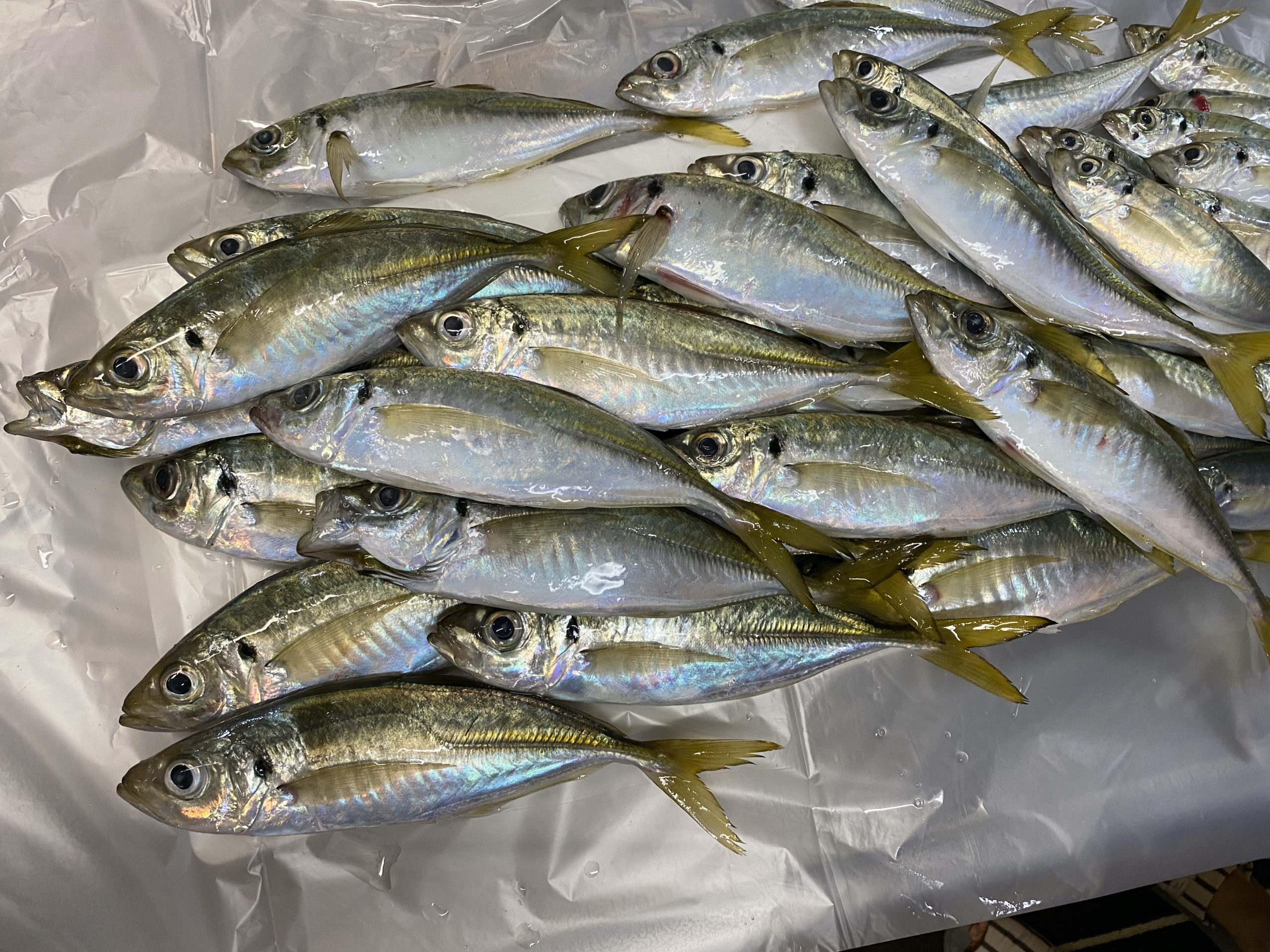
More than forty aji between us, nineteen of them 23–26 cm, and further experiments with two targets on one rod.
One lure, one weight, one rod: an hour when small changes made all the difference.
A 5 g jig and a 0.4 g jighead working together in fast water.
A crisp yet soft rod, an unexpectedly weighty 20 cm aji, and comparisons with the FER-58 and my wife’s remarkably sensitive VARIVAS.
A short arrival note, followed by a comparison with the longer VARIVAS 610S and two other rods in the same length range.
A brief comparison between the repaired original HSR-610 and the more modern arrangements of Version 2.
An adaptable rod for difficult bites, compared with a luxury four-wheel-drive vehicle—and a small Jeep in the same family.
A tackle inventory with later additions to the notes, personal favourites, and the story of a child’s 90 cm seabass.
After about three outings, 1 g and 1.3 g became my favourites—but I also noticed two details I wanted improved.
A delicate rod that suited my wife perfectly, a good aji on a difficult day, and the rods I had tried while looking for my own favourite.
Four small aji while the fishing was still quiet, then larger fish on the fall: 1.3 g worked for me, while 1.8 g did not.
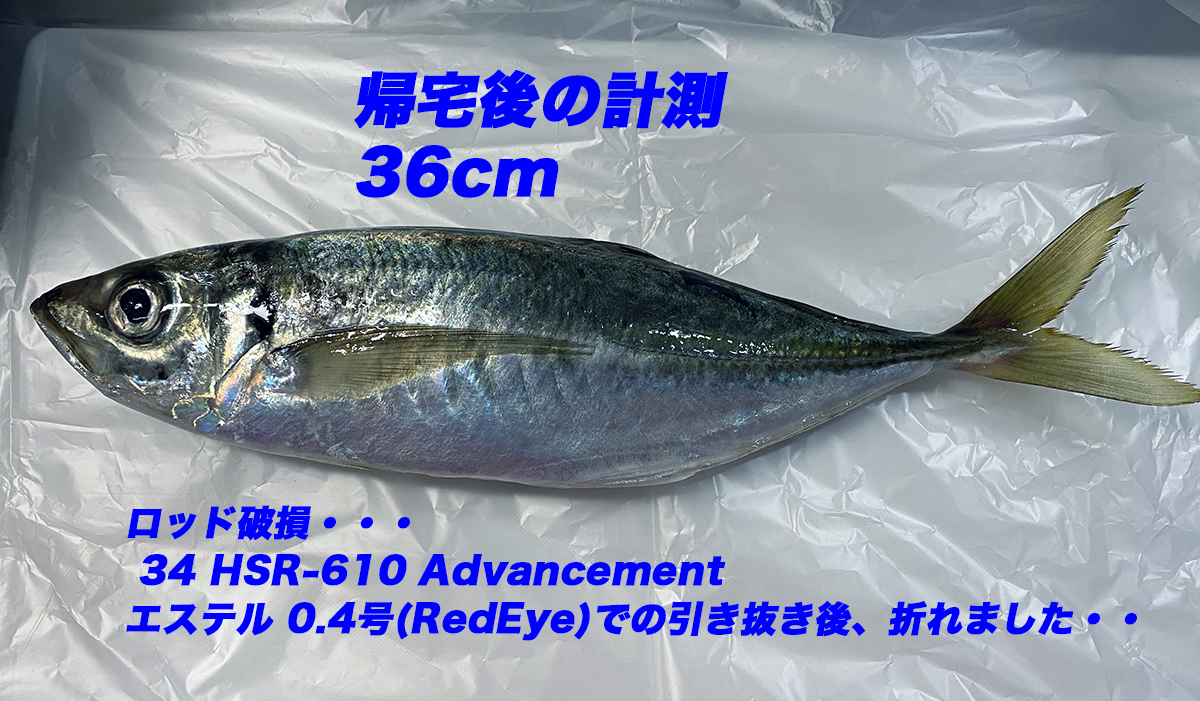
A fast retrieve found a much larger aji, but trying to lift it out ended with a sharp crack from the HSR-610.
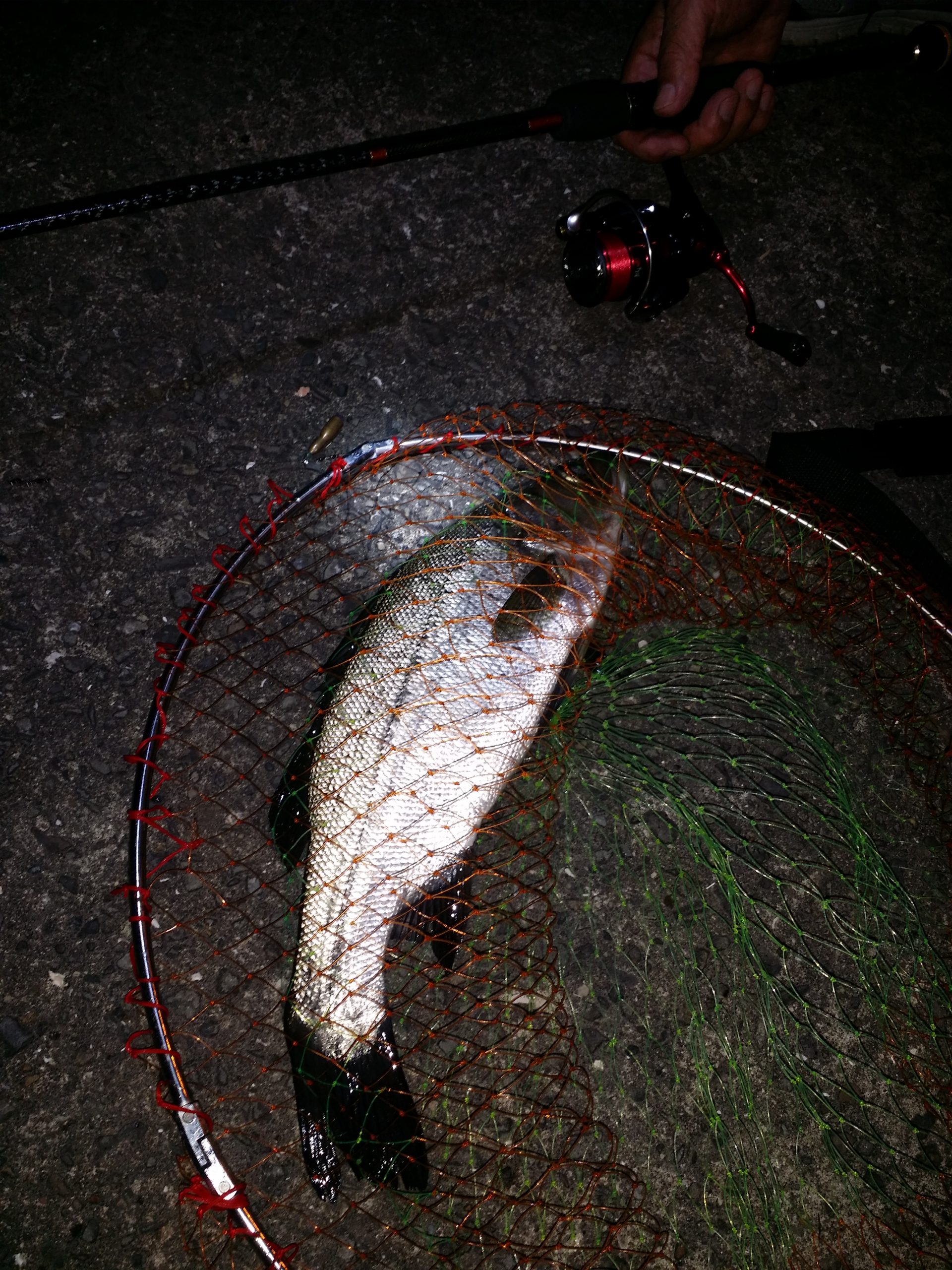
A sudden take in fast water, a landing net still in the car, and my wife’s remarkably calm response to the whole affair.
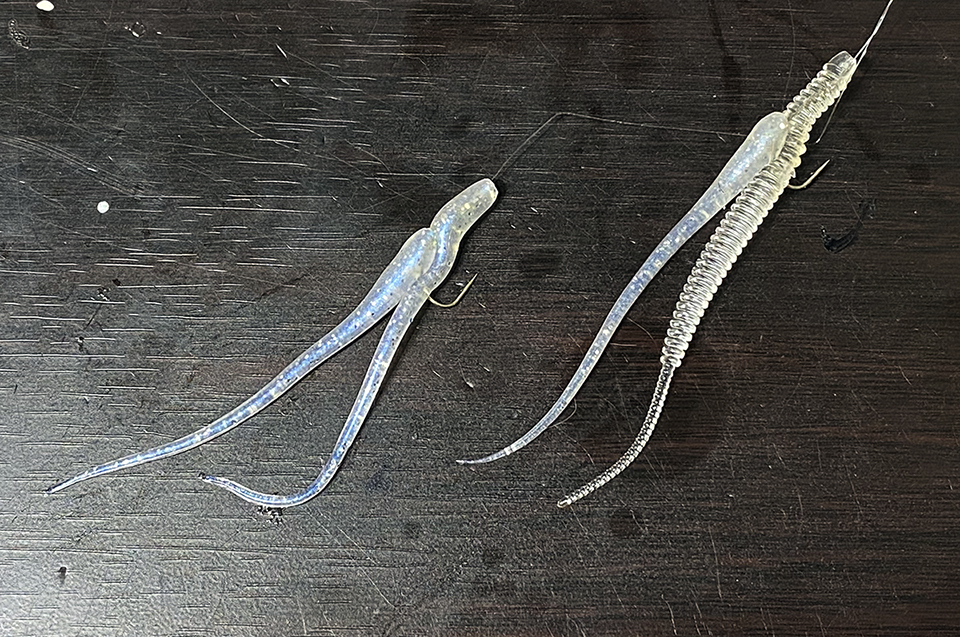
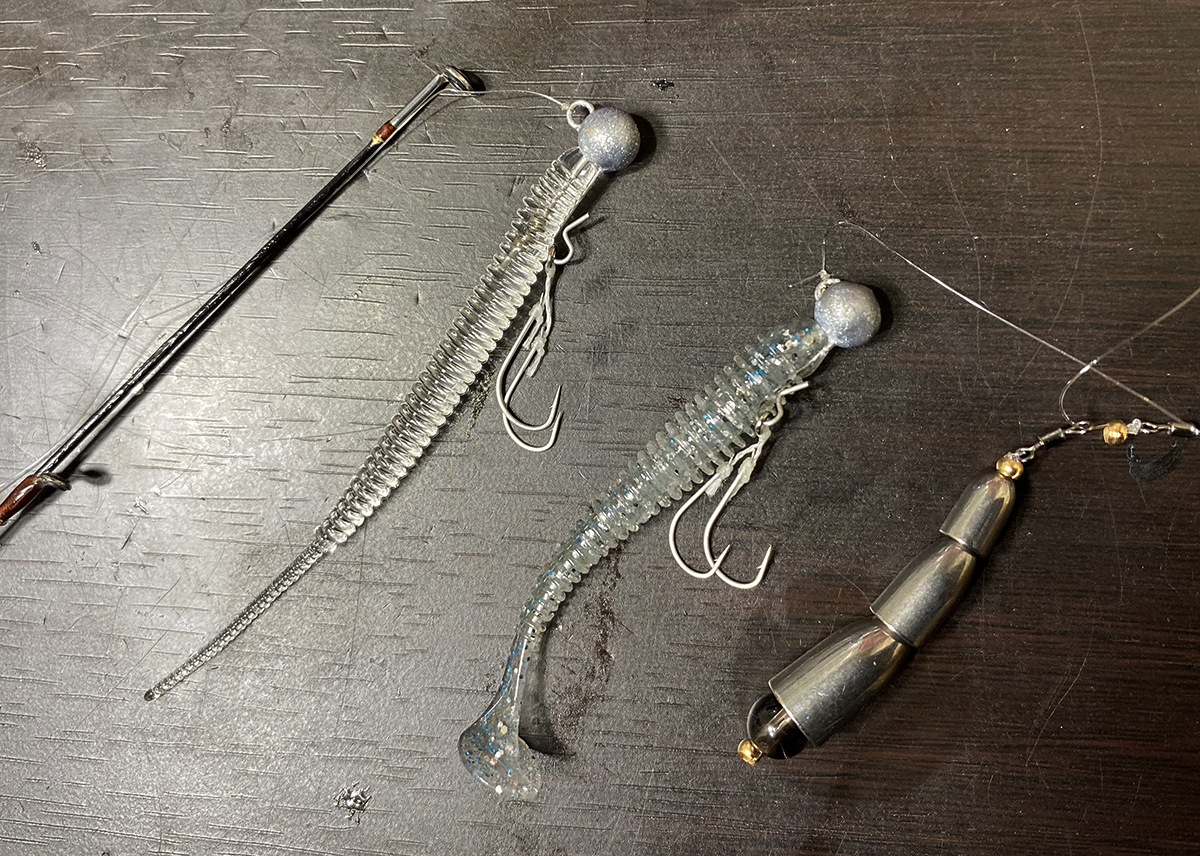
The clear lure combinations I favour from summer into autumn, and a seasonal pairing I want to try.
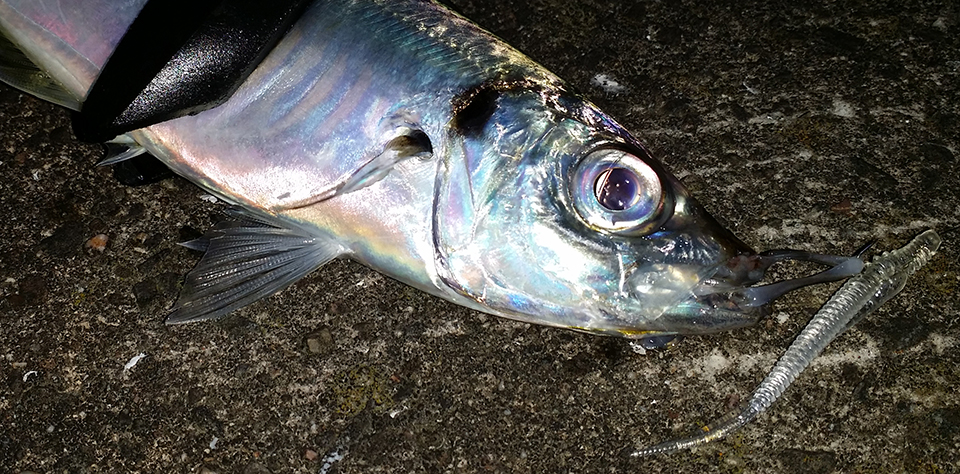
A slightly heavier sinker, a deliberate fall, and the sudden take of a large aji.
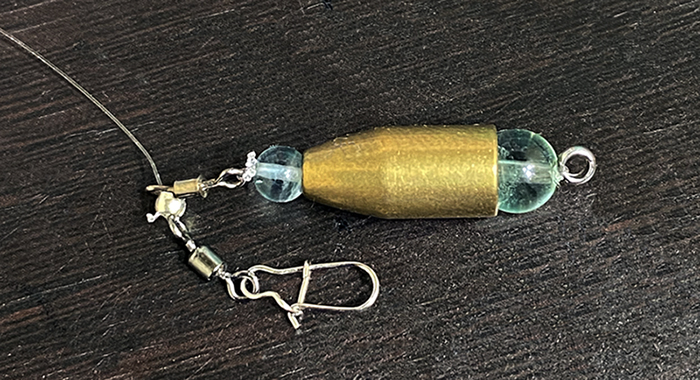
A sliding brass-sinker arrangement for strong-current ajing, with the lengths I settled on after testing.

How hook size, lure size, lighting and wary fish influence the Grandmax leader I choose.
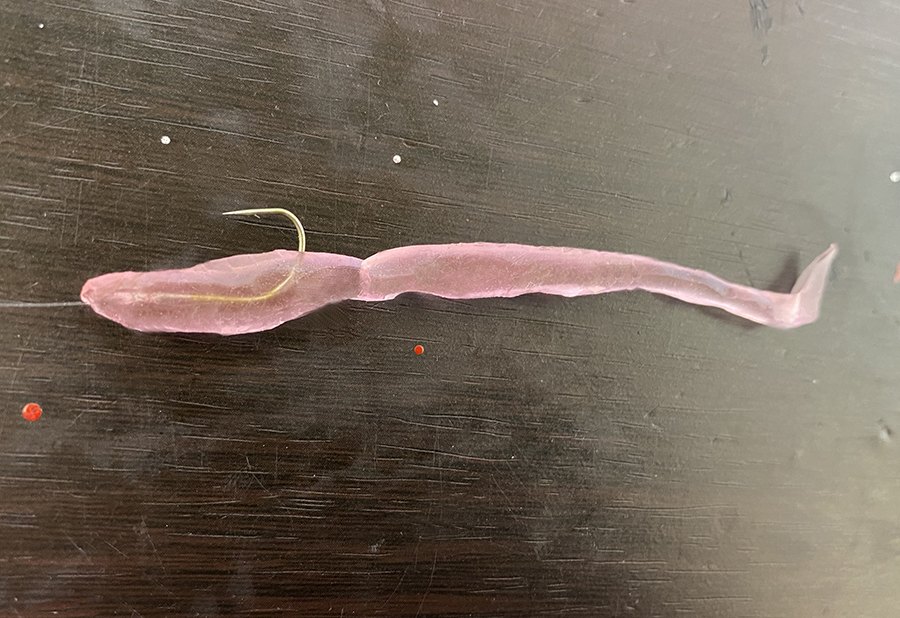
A soft lure cut and reshaped for strong-current ajing brings a fish over 30 cm.
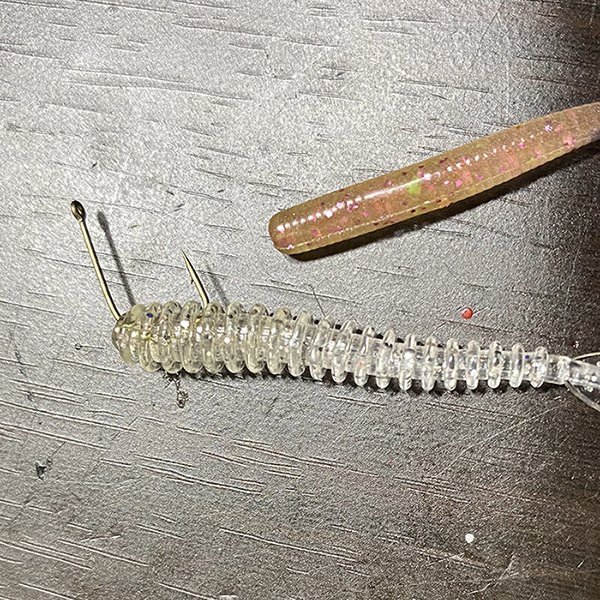
How I rig a double soft lure on a Split Shotter #6 for strong-current ajing.
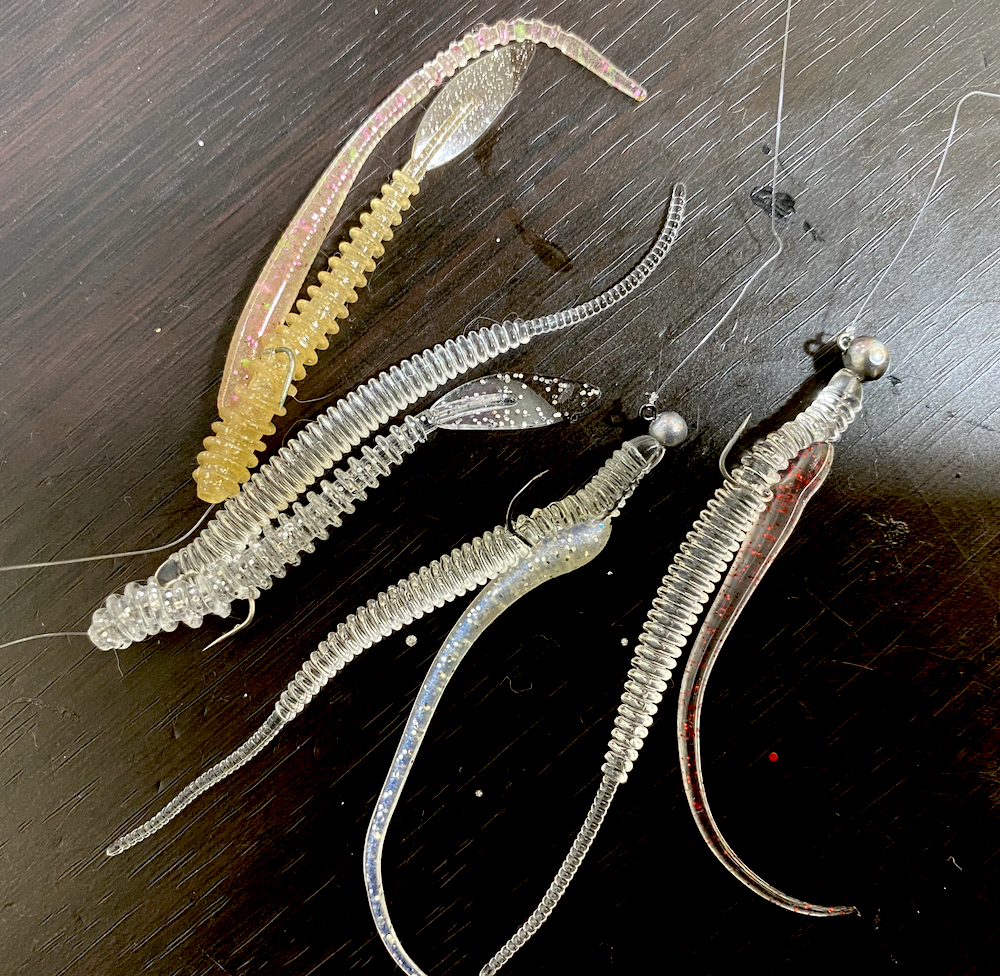
The rush towards two conspicuous lures, a short wait before the firm pull, and what I change when the bites stop.
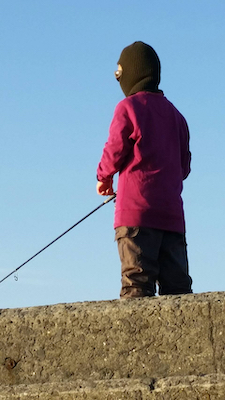
A soft rod, forceful movements and a short burst of lure travel—and a memory of a lively café in Denver.
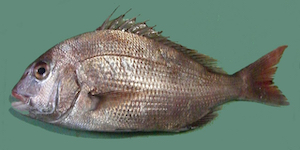
An unforgettable moment with a madai, and the thoughts its final movements left with me.
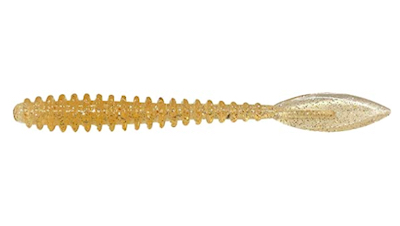
Slim or bulky? How I use lure size and sink rate to get past small aji and reach the bigger fish below.
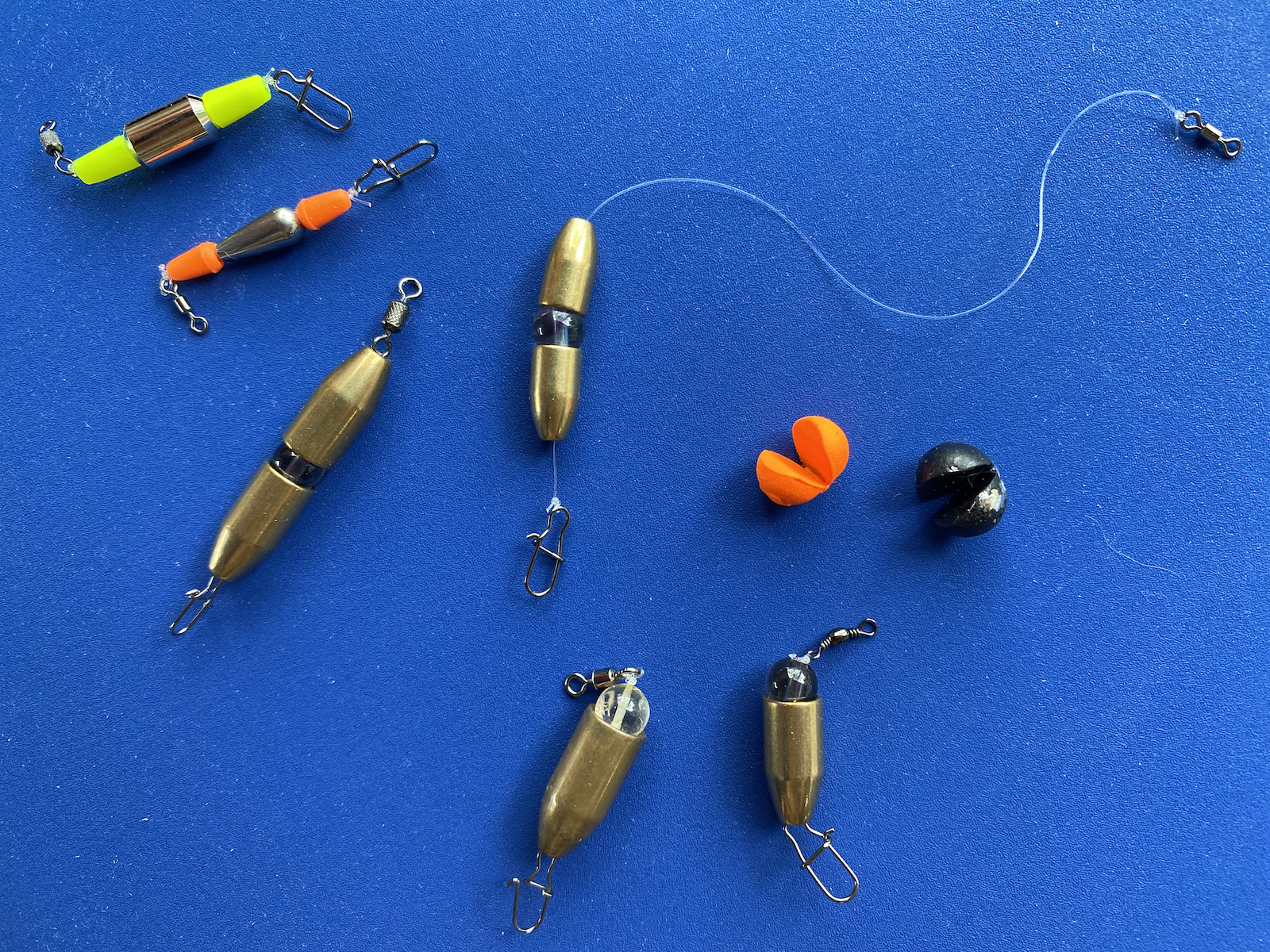
Separate sinkers, through-line rigs and tiny movements at the right depth—plus a few fish with turbochargers.
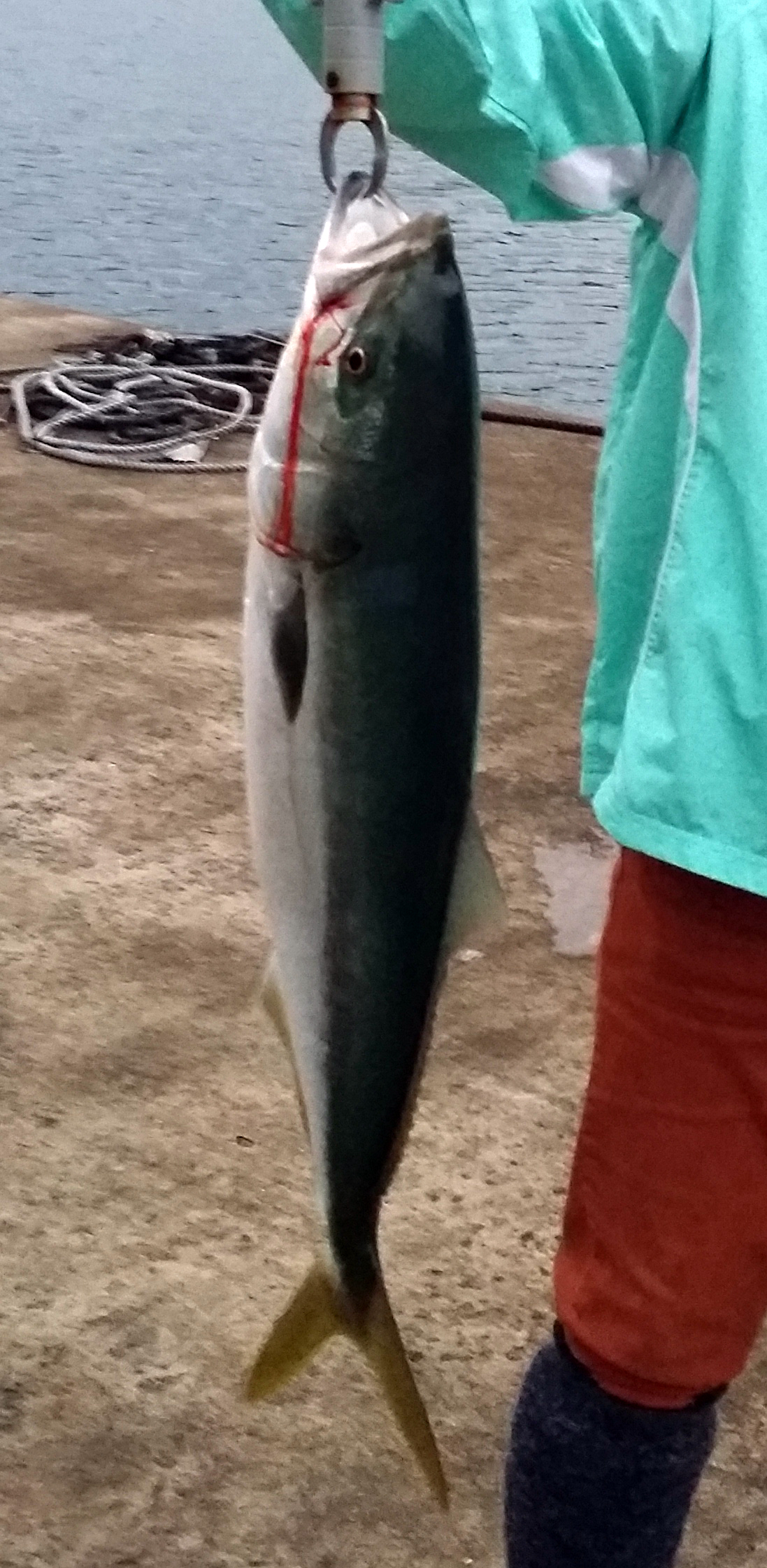
A deeply bent Lateo, a rope I wanted to avoid, and an audience even more excited than I was.
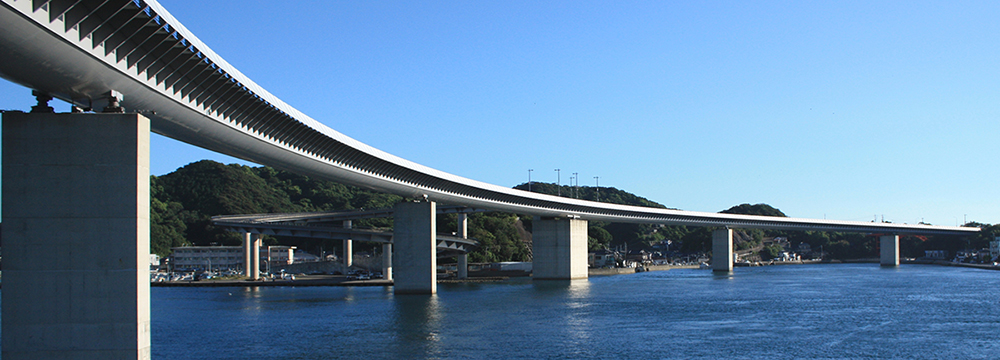
A few visits beneath Ushibuka’s Haiya Bridge: changing currents, bridge piers, long casts, and a fish I never saw.

Haiya Bridge, Renzo Piano, the feeling of crossing a bridge—and the fishing water that keeps drawing my attention.

The story behind Passionable Fishing, our Japanese-language website—and the curiosity it shares with Avantgarde Fishing.

Counting the sink, holding the feeding depth, and waiting for the current to turn at a difficult ajing spot.
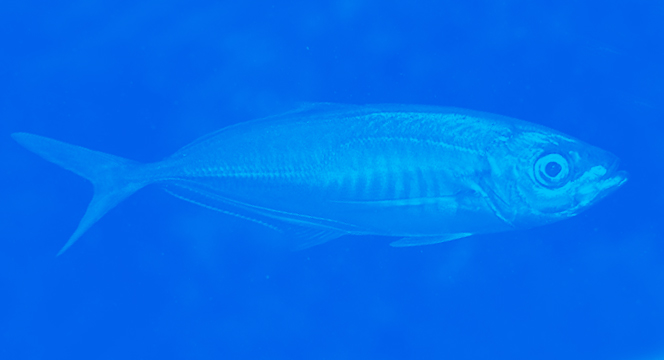
A small observation from strong-current ajing: a different weight through the line seems to tell me the fish are there.
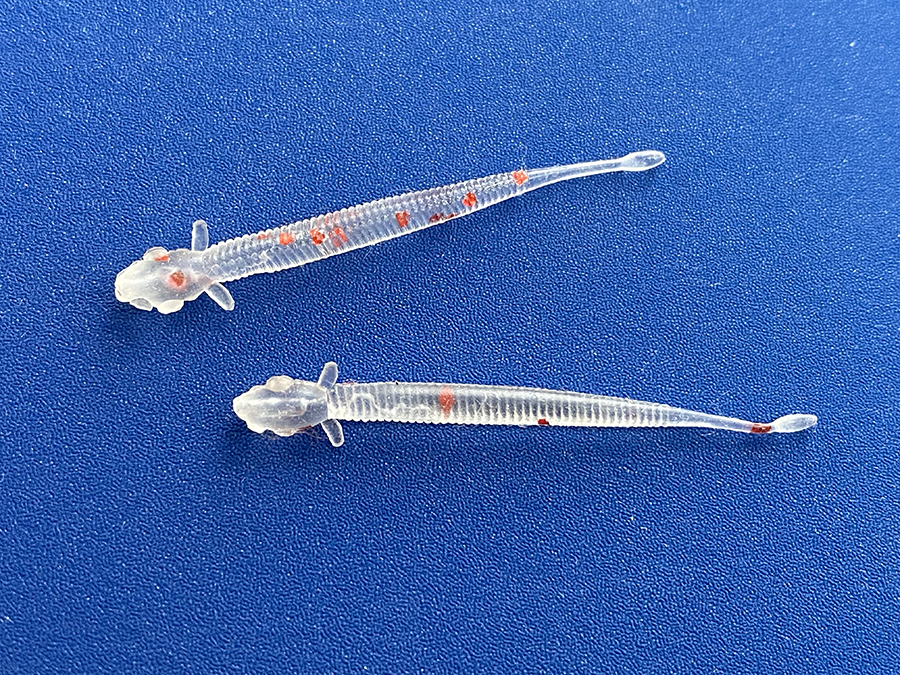
My small-lure answer to repeated missed bites: Momoaji, a size 8 hook, and no jighead weight at the lure.
Handling the Blue Current Type III 63 and a Ripple Fisher 65TZ: remarkable bends, crispness, and a meeting with the company president.
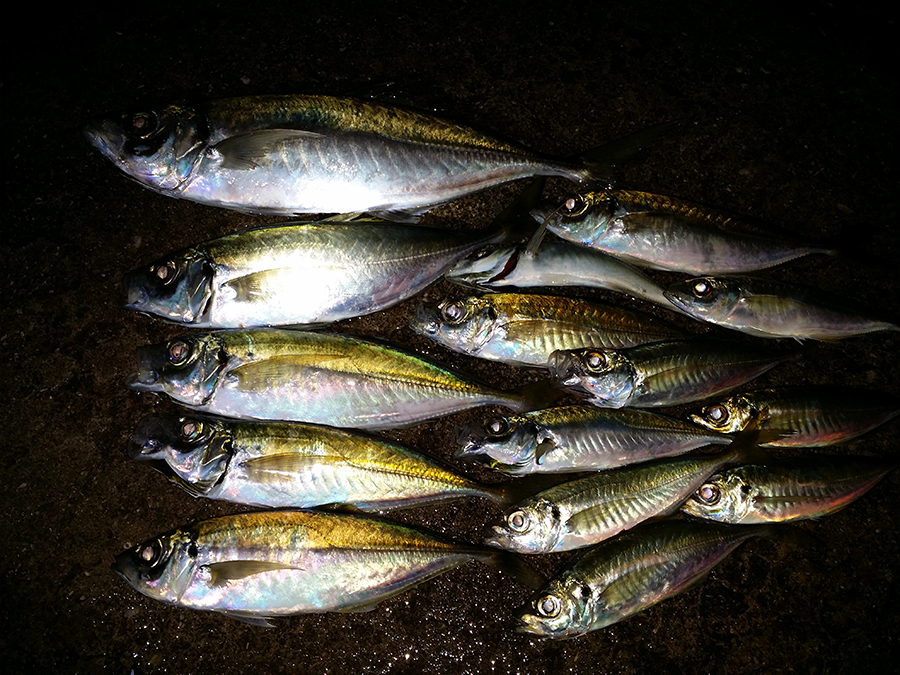
At a familiar strong-current spot, aji around 25 cm strike my personal balance between relaxed fishing and excitement.
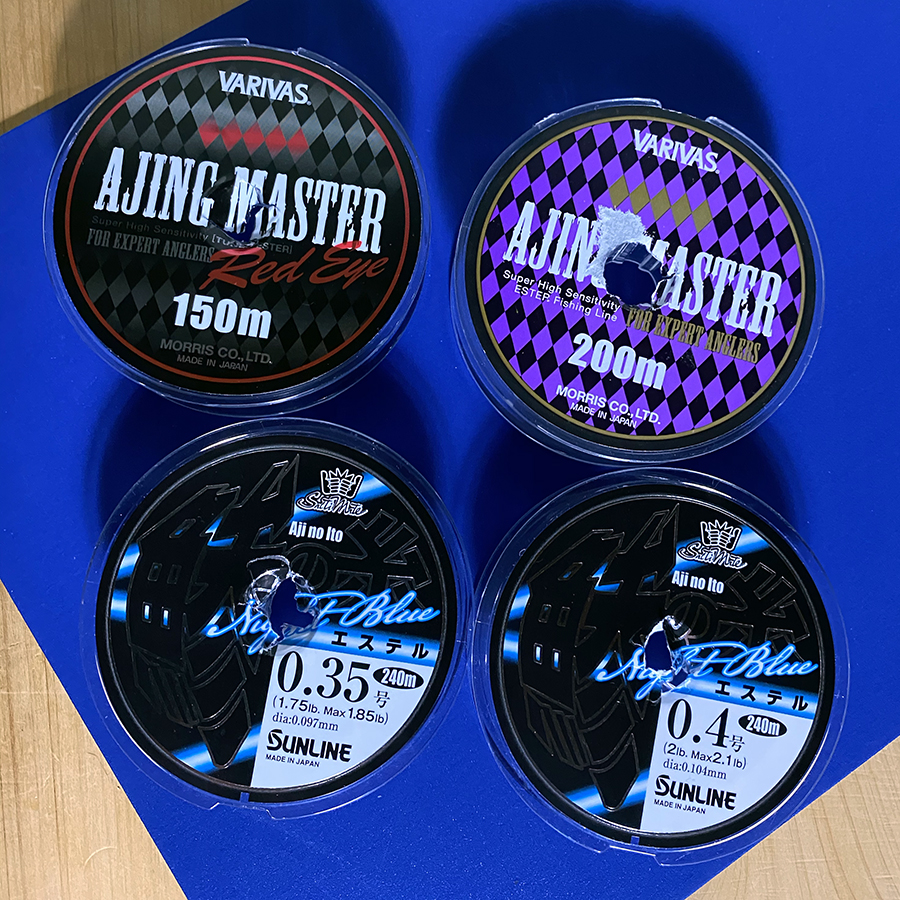
Our experiences with Ajing Master, Red Eye and Aji no Ito Night Blue—and how the same line can feel different on different rods.
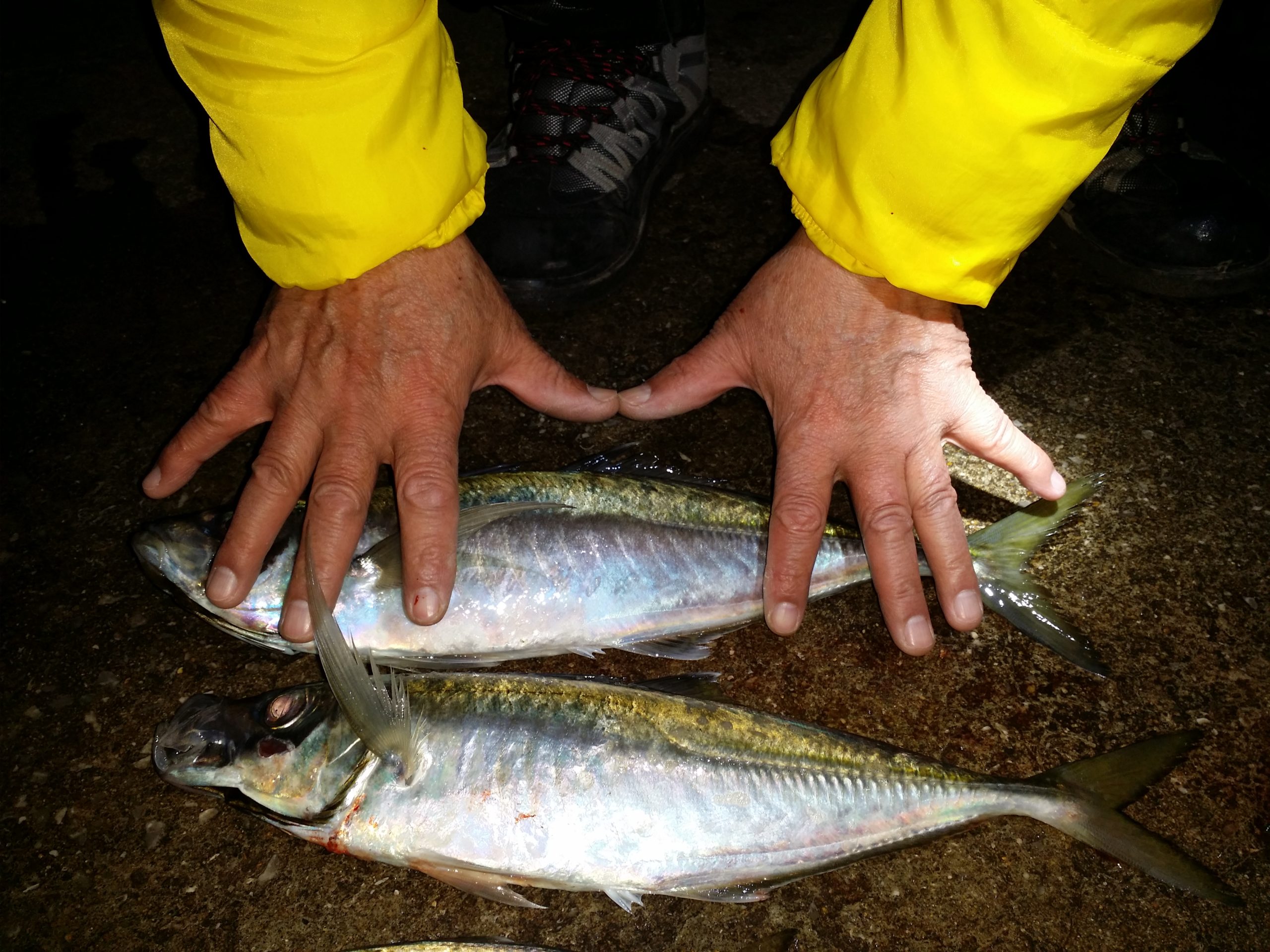
A short account of two large aji at Komebuchi, Amakusa, in March 2019, caught beyond jighead-only casting range.
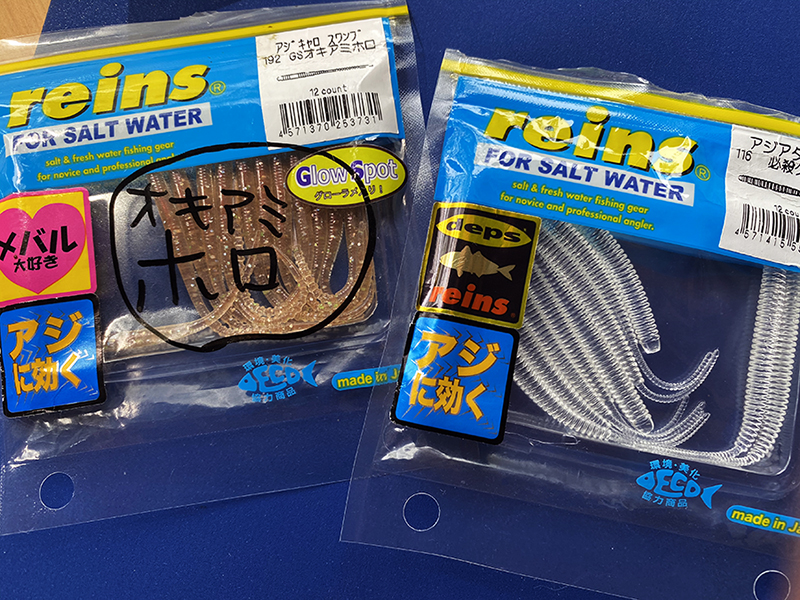
Ami colours, clear lures, and the slim and bulky soft lures I normally carry when the aji are reluctant to bite.
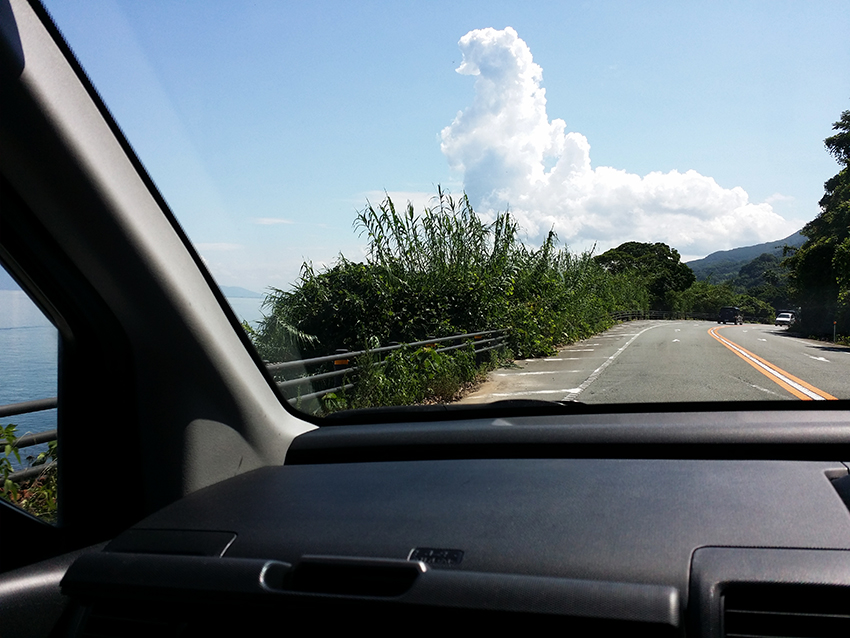
From wondering whether any fish could live in that rushing water to looking for aji when nobody else is catching: a year can change things.
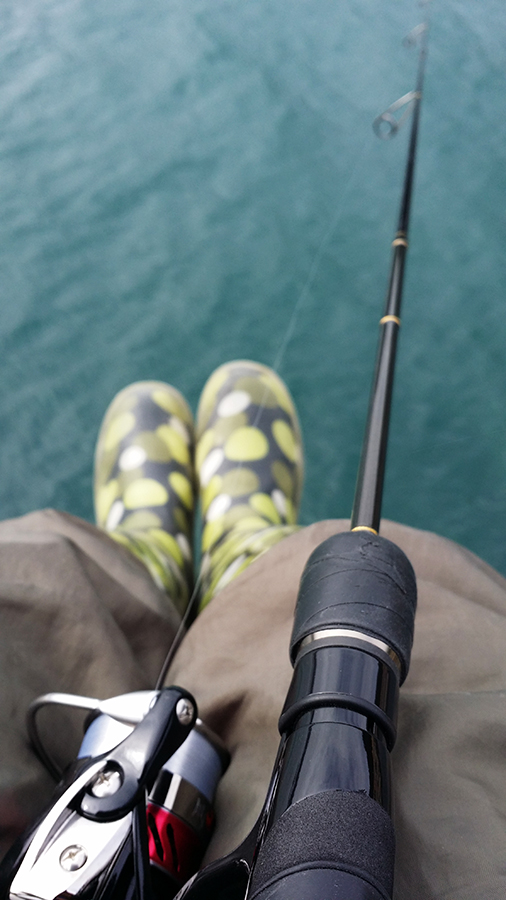
Feeling the line with a fingertip, changing sinker weight, and waiting for the lure to reach the aji in strong current.
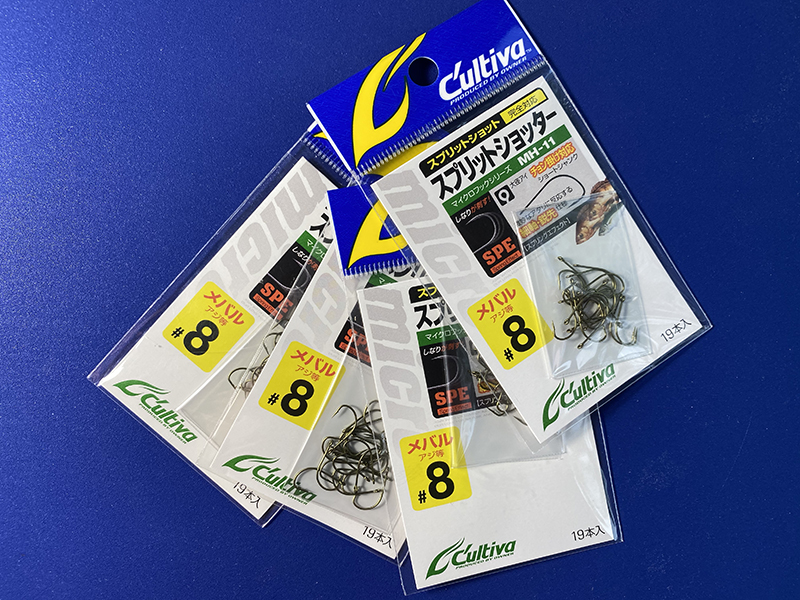
Why I use Split Shotter hooks for strong-current ajing, my experiences with jigheads, and why I wish there were a size between #6 and #8.
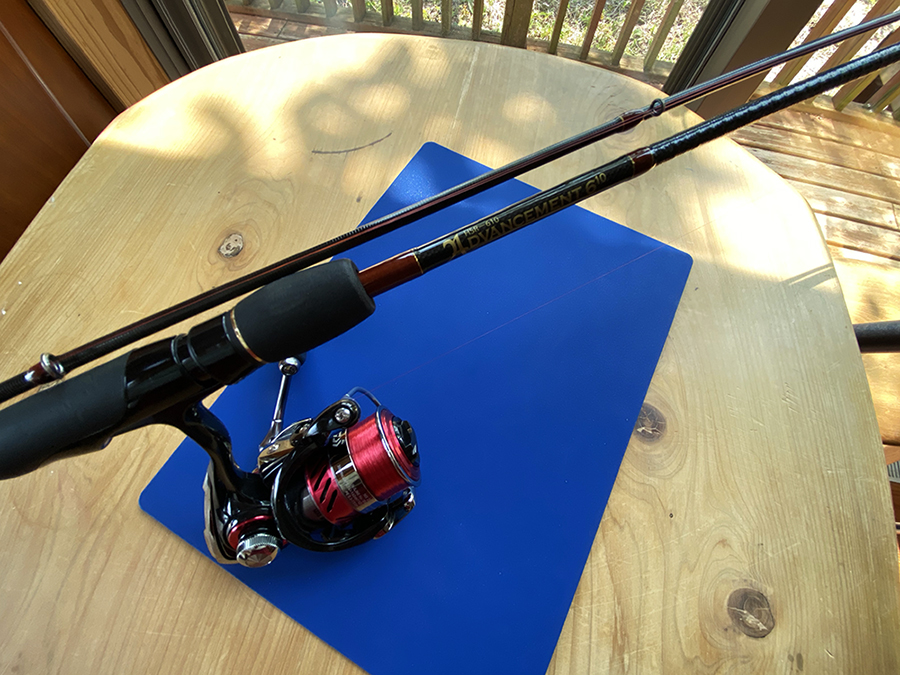
Midwinter wind, a 34 Advancement HSR-610, and the pleasure of watching the rod tip do the work.

Sometimes the feeding layer seems only about a metre thick. Finding it—and keeping the rig there—makes all the difference at this strong-current spot.
At this spot, the falling tide brings an oncoming current. Small rod movements, slight turns of the reel and changes of sinker weight help me stay with the aji.
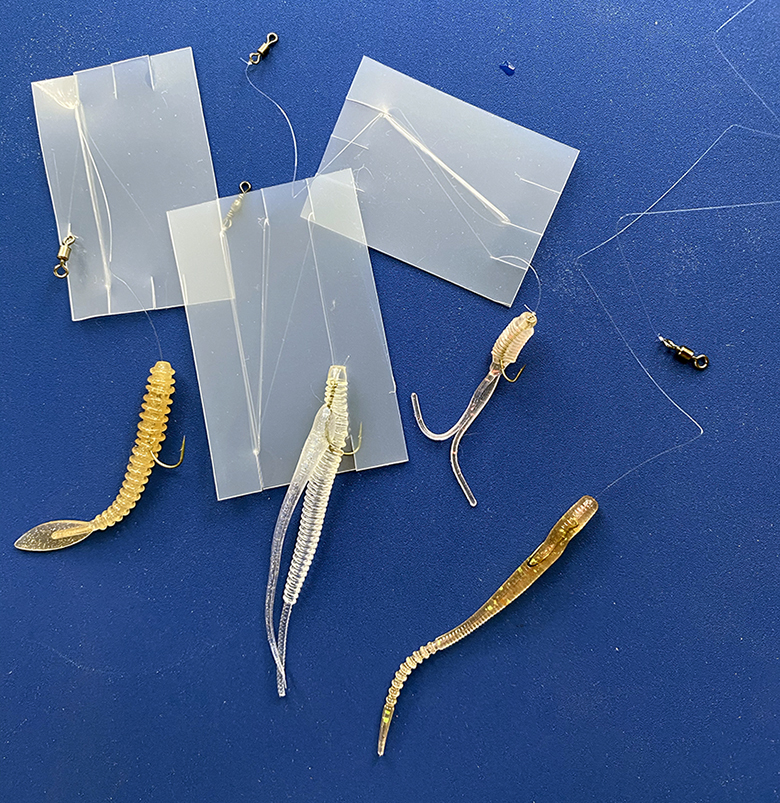
Separate sinkers, two 50 cm leader sections, and pre-rigged soft lures: a setup that connects with clips and swivels at the water.
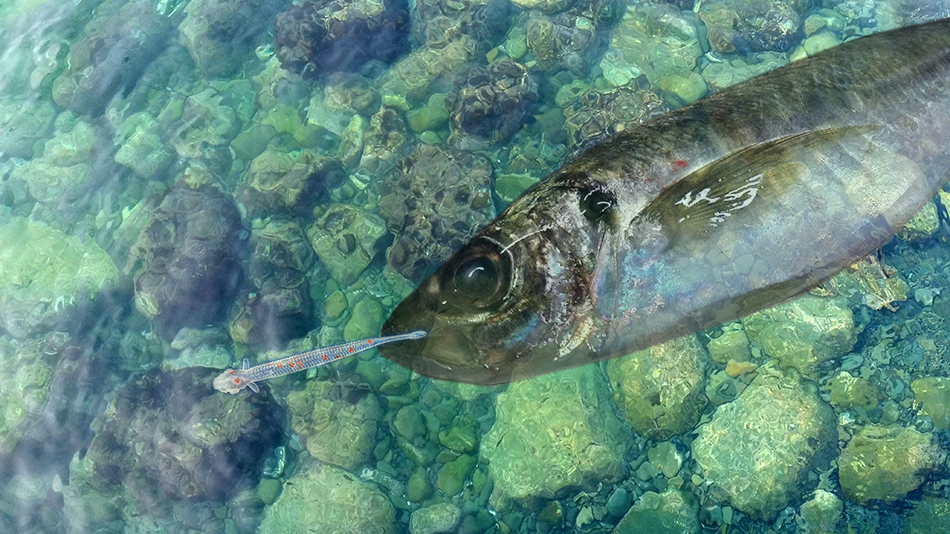
In fast water, the bite can be little more than the faintest interruption. I think of it as serving dinner directly to the fish.

An empty-handed winter ajing session gives way to two squid, a yazu, and a familiar reef where the jig has to move fast.
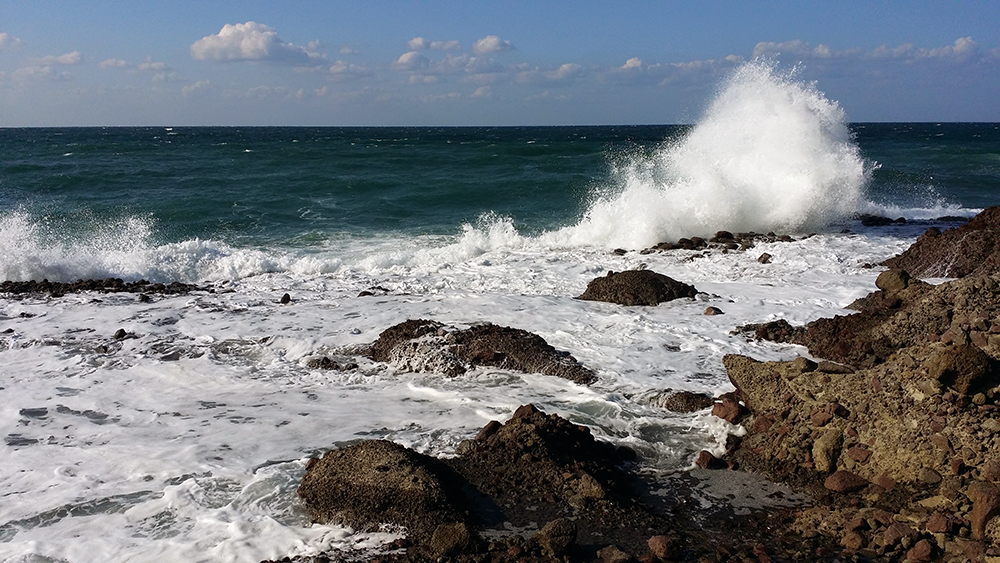
A recollection of an early-March trip: my wife’s 45.5 cm aji, my 40.5 cm fish, and the wish to catch something even larger.
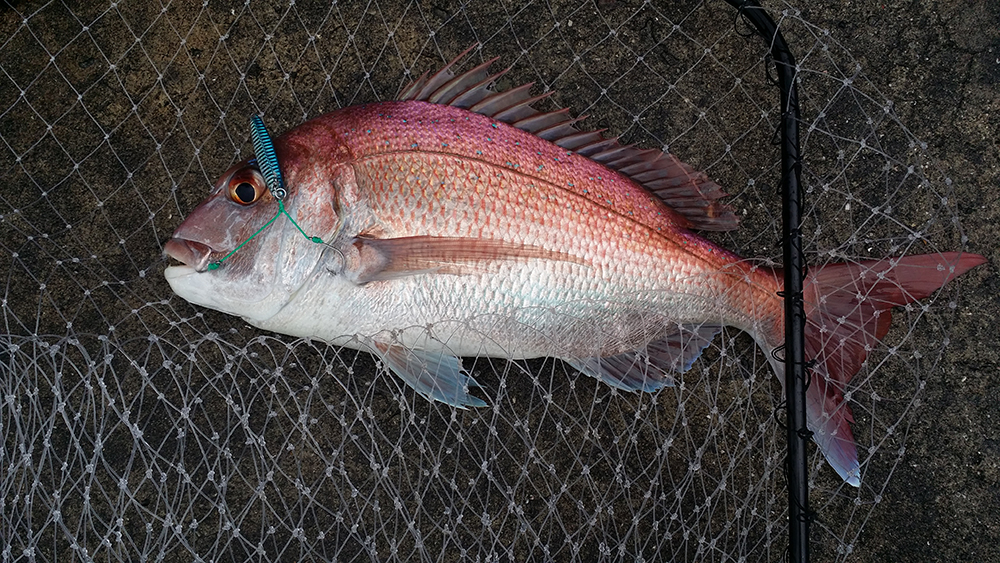
My wife hooked a good madai. I took over the landing, quite sure I could lift it onto the breakwater without a net.

A lucky squid on my second cast, a very clumsy landing, and my wife coming to the rescue. My introduction to eging was unforgettable.
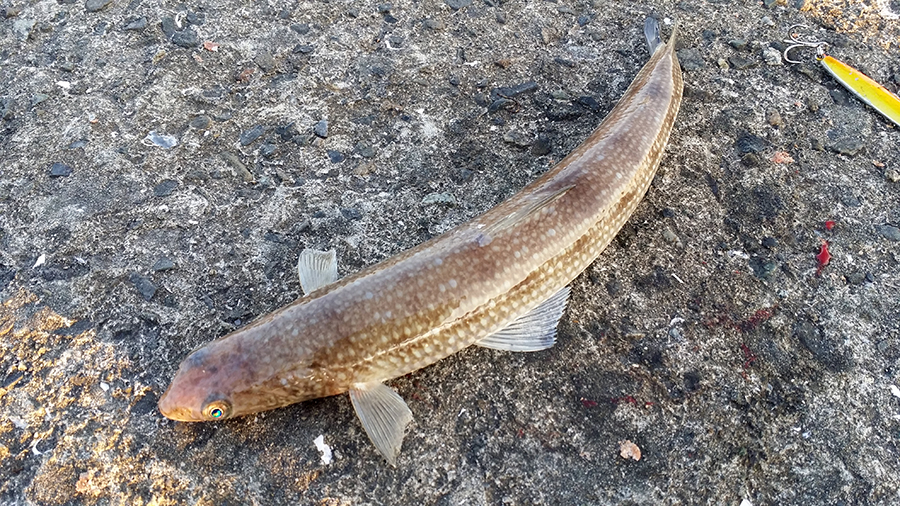
A dawn trip towards Shinwa on 20 August 2019 began with a sky full of lightning and ended with a fish that was not quite what I had hoped for.
No matching articles. Try a different word or topic.
This English collection now contains 113 translated articles. Our Japanese-language site, Passionable Fishing, contained 113 posts in the archive checked on 20 October 2026. Dates shown are the original publication dates.
Passionable Fishing (日本語)