Finding the depth
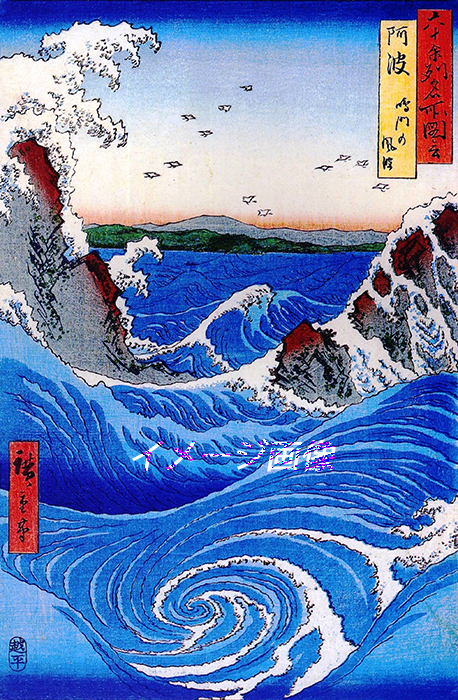
At this spot, when the current comes straight towards me, the depth at which the aji are holding changes with the time. Some water dives down, some rises, and some goes round and round. There are all sorts of currents.
I start by counting the rig down, choosing an estimated depth and searching there. After three or four attempts, I usually get a bite somewhere. From then on, I keep using that count until the bites stop.
If the rig sinks too far as it comes closer to me, it snags. Even when the fish are near the bottom, I have to keep it just clear, holding that depth while drawing it towards me with the rod.
This spot holds the most aji. When they are in mid-water or higher, I am lucky: it can be a fish every cast. In early autumn, when they are down near the bottom, it becomes a battle with the snags.
Trying to establish the depth in water that seems to float and shift about like this is difficult enough. Aiming close to the bottom makes it much harder.
Waiting for the turn
A relatively light sinker works well at these times. Yet, watching the other anglers, a jighead on its own seems to fail more often than it succeeds. Those using heavy sinkers are getting snagged.
The falling tide is the main event here, so the real fishing begins when the current starts running right. Slack water at high tide is brief: within about ten minutes, the flow starts going the other way.
Here we go, I think. It has started.
After visiting for a year, I have managed to gather a fair amount of knowledge about how to fish the place. But once we actually start fishing, my wife’s instincts leave me taking my hat off to her, every time.
Oh dear.
Related: When the current feels heavy, I expect a bite. The place described here is not named in the Japanese source.
Artwork identification: Chazen Museum of Art catalogue. The displayed image is the unchanged copy from the Japanese article.
Read this article on Passionable Fishing (日本語) ↗